

Jump to:
Nagano Prefecture is often referred to as the ‘rooftop of Japan’, occupying the heart of the Japanese Alps. Nagano City, its capital, is roughly 220 km northwest of Tokyo and can be reached by Shinkansen within one and a half hours.
Nagano is famed for its dramatic alpine views, historic post-towns, pristine hiking trails, hot springs, and ski resorts. Nagano, of course, still proudly carries the legacy of the 1998 Winter Olympics.
What makes all this even better is how accessible Nagano is from the tourist mecca of Tokyo. If you want to experience ‘deep Japan’ or the mountain village ethos of satoyama, then Nagano is an excellent choice.
To get you on the road again, we lay out the best things to do in Nagano City and around the prefecture. These include historic sites, natural wonders, ancient roads, activities for children, and souvenirs you can buy.
How to Get to Nagano: Trains, Buses, and Travel Tips
Getting around Nagano is simple. Local buses cover most tourist spots, including Zenko-ji Temple and the surrounding mountains. Trains such as the JR Oito Line and Nagano Dentetsu Line offer scenic routes to nearby attractions like Jigokudani Monkey Park or Togakushi. For those planning day trips to ski resorts or mountain lakes, regional buses or rental cars are the most practical options.
The fastest and most convenient route to Nagano is the Shinkansen. The link to Tokyo is direct, but coming from Osaka or Kyoto, you can take the Shinkansen to Nagoya:
- Tokyo → Nagano (direct): Around ¥8,500 non-reserved seat; approx. 90–120 minutes.
- Osaka → Nagoya: Around ¥13,700 non-reserved seat, approx. 50min
- Kyoto → Nagoya: Around ¥10,340 non-reserved seat; approx. 40min
Once you arrive in Nagoya, you must transfer to the Limited Express Shinano. A non-reserved seat is around ¥7,000 and the travel time is approximately 3 hours. The total travel time from either Osaka or Kyoto to Nagano is 4 hours or slightly less, and the total cost will be around ¥20,000 (a little less for Kyoto). You can save around ¥5,000 or more if you take the Kintetsu Limited Express from either Osaka-Namba or Kyoto stations to Nagoya.
Nagano City does not have a commercial airport. Domestic flights to Matsumoto airport are generally more costly than train services. For updated information on Nagano travel passes, check the official tourist site, GoNagano.
Best Time to Visit Nagano

The lowest tourist numbers are in April after cherry blossoms, when the weather is very pleasant, especially for hiking, as well as May into early June. September into mid-October is also less crowded than the peak autumn season.
Peak tourist seasons are late March into early April for cherry blossoms, December into February for winter sports, and late October into November for autumn leaves.
The best compromise for visiting Nagano is May, early June, or September when you can enjoy mild weather, outdoor activities, and avoid the tourist crowds.
July is the rainy season, while August is popular for Alpine hiking and tourists escaping the heat in lower lying areas like Tokyo.
What to Do in Nagano: Top Attractions & Must-Visit Spots
Nagano is packed with scenic landscapes, cultural landmarks, and unique mountain experiences that appeal to every type of traveler. These top attractions highlight the very best of Nagano and help you plan an unforgettable trip.
1. Explore Zenko-ji Temple (Nagano City)

Zenkoji Temple, established in 642 CE, is one of Japan's most important pilgrimage sites. It also houses the oldest known Buddhist image in Japan, the Ikko Sanzon statue, which is hidden from public view.
A main draw for visitors is its imposing architecture and walking the underground passage beneath the main altar in complete darkness. Zenko-ji is a non-denominational temple that attracts pilgrims from around Japan.
If you stay at a nearby shukubo lodging, you can attend the early morning prayer service and experience old-style hospitality.
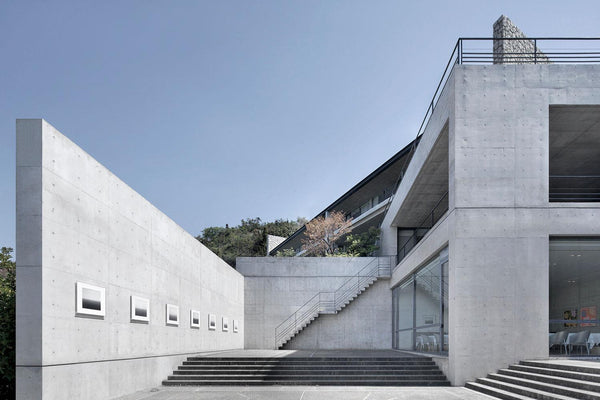
Insider Tip: A short walk up from the temple is the Nagano Prefectural Museum of Art, with stunning elevated views over Zenko-ji and the surrounding mountains.
2. Visit Nishinomon-Yoshinoya Sake Brewery (Nagano City)

Nishinomon-Yoshinoya is a historically significant sake brewery, about five minutes on foot from Zenko-ji Temple. The brewery dates back to the mid-17th century and is one of the most authentic breweries in Nagano. Its spacious grounds are away from the bustle; there’s a shop, sake tasting room, and you can freely view sake sake-making areas.
More detailed tours must be booked in advance and, for non-Japanese speakers, you will need to organize your own translator.
Insider Tip: If you get here early, you can enjoy a more tranquil walk to Zenko-ji before things get busy after 10:00 a.m.
3. Stroll Through Pateo Daimon Heritage Quarter (Nagano City)

A couple or so blocks down from Zenko-ji Temple is the Pateo Daimon Kuraniwa. It’s a heritage quarter of Edo-era merchant and storehouses beautifully restored, giving visitors a taste of Nagano’s old-town atmosphere.
Here you can enjoy highlights of Nagano cuisine, stop by a café, do souvenir shopping, or have green tea prepared and served the traditional way.
Insider Tip: You can enjoy a more refined and relaxed dining experience here, but some shops close on Tuesday and Wednesday.
4. Walk Through Gondo Shopping Street (Nagano City)

Gondo is the oldest arcaded shopping street or shotengai in Nagano, built back in 1961. It’s perfect for a leisurely stroll, especially during rainy or snowy weather. A recent renovation has updated the transparent roof, allowing natural light to flood the street.
Unlike modern, tourist-focused shopping areas, Gondo retains an old-school charm and is less crowded during the day than Nakamise-dori near Zenko-ji.
Insider Tip: From Zenkoji, walk downhill via Pateo Daimon to Gondo Shotengai. Gondo Station is one stop to Nagano Station.
5. Visit the Nagano Olympic Museum (Nagano City)

Photo by CZIMBA74, Trip Advisor
The Nagano Olympic Museum is located inside the M-Wave arena, the former speed skating venue for the 1998 Winter Olympics. It is free to enter, and you can see memorabilia from the Nagano games and other past games, including Olympic torches, medals, team uniforms, and equipment.
Interactive exhibits include a bobsled and a ski jump simulator. The Memorial Skating Rink is open to the public (fee entry) from October to March.
Insider Tip: Weekdays are the best time to visit and if you’re traveling with kids or teenagers, it’s best to go here first and then Zenko-ji later on.
6. See the Snow Monkeys at Jigokudani Monkey Park

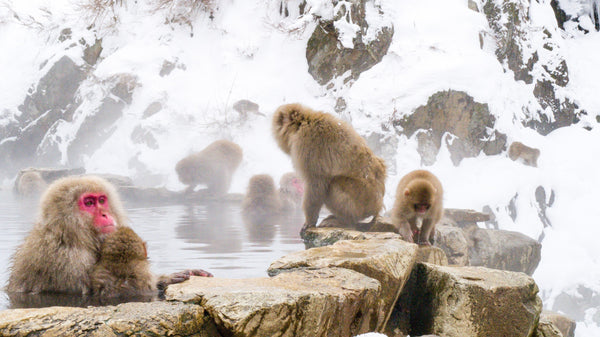
Jigokudani, or ‘Hell Valley’, is famous for its large troop of wild Japanese Macaques. These cheeky ‘snow monkeys’ have become world-renowned for their habit of bathing in the warm waters of a natural hot spring, especially during cold winter months.
You can see them year-round, but the sight of them huddled in the hot springs, often in the snow, is an iconic image of the Nagano region. The gentle walk to the park entrance takes 30 to 40 minutes.
Transport to the park is via the Snow Monkey Express Bus from Nagano Station, with a travel time of around 40 to 50 minutes and a cost of approximately 2,000 yen one way.
The Snow Monkey Pass is valid for two days and includes admission to the park, the express bus, local buses, and the train to or from Nagano.
Nearby Shibu Onsen is worth exploring for its nostalgic streets and nine public bathhouses, and the pass can be purchased at Nagano Station for around 4,400 yen.
7. Marvel at Kagami Pond and Togakushi Shrine

Kagami-ike, or ‘Mirror Pond’, is a tranquil body of water famous for its spectacular reflection of the Togakushi mountains, especially in the fall. Togakushi Shrine consists of five ancient Shinto shrines steeped in Japanese mythology.

To hike the Togakushi Pilgrimage Route, you should get off the bus at Hokosha, or the Inner Shrine. From there, it’s a roughly 6-km walk to the campground, which is the bus terminal. You can shorten the walk by getting off at later stops.
Togakushi Chusha has soba restaurants, while Togakushi Okusha is the starting point for the cedar avenue walk (2 km), with Kagami Pond being a short detour.
Transport is via the Alpico Bus (Route 70) to the Togakushi Campgrou nd, taking about 50 minutes to 1 hour and costing around 2,000 yen for the tourist bus or 1,350 yen for a local bus.
The area also features a forest botanical garden, a ninja museum, a ninja trick house, and a kids’ ninja village. Several ryokan inns are available for longer stays, and in winter, the region transforms into a ski area.
8. Tour Matsumoto ‘Crow’ Castle

Matsumoto Castle is one of only 12 original castles remaining in Japan that have an intact main keep constructed before the end of the feudal era (1868). Its five-tiered keep is also the oldest surviving wooden castle keep in Japan.
Colloquially known as ‘Crow Castle’, its dramatic black exterior is both elegant and formidable. You can enter the castle and explore its rooms, steep staircases, and interior defenses. The Japanese Alps provide a spectacular backdrop to the castle.
Transport to Matsumoto is via the Limited Express Shinano to Matsumoto Station, a journey of about 1 hour and 30 minutes, with tickets costing around 2,200 yen. While in the city, you can stroll through Nawate and Nakamachi historic shopping streets, visit the Matsumoto City Museum of Art, or relax at nearby Asama Onsen.
Other activities include miso factory tours, noodle-making workshops, and enjoying the attractions at Matsumoto City Alps Park, which features a bobsleigh ride for both kids and adults.
9. Hike Kamikochi Valley

Kamikochi is an exceptionally beautiful, pristine valley high in the Northern Japan Alps. The valley floor sits about 1,500 meters above sea level and is crisscrossed by the crystal-clear Azusa River, with Mount Hotaka towering in the background. It’s a haven for hikers, photographers, and nature lovers with well-maintained paths for walking.
A popular trail leads from the iconic Kappa Bridge (Kappabashi) to the serene Taisho and Myojin Ponds. Most of this area is closed to tourists from mid-November to mid-April due to heavy snow.
Access from Matsumoto is via a bus from the Matsumoto Bus Terminal to Kamikochi Bus Terminal, taking 1.5 to 2 hours and costing around 2,500 yen one way. From Nagano, buses depart from the East Exit of Nagano Station and take about 3 hours, costing approximately 4,400 yen one way.
Most of the area is closed to tourists from mid-November to mid-April due to heavy snowfall.
Insider Tip: Use Matsumoto City as your base for the smoothest access. Leaving around 7 a.m. allows you to reach Kamikochi by about 8:15 a.m., and if you want a deeper experience, consider staying a night inside the valley.
10. Walk the Historic Nakasendo Trail

The Nakasendo was one of the five major roads of the Edo period, connecting Edo (now Tokyo) and Kyoto. The section between Magome-juku (Gifu Prefecture) and Tsumago-juku (Nagano Prefecture) is one of the most beautifully preserved parts of this historic highway. These two post-towns retain their original 17th-century appearance, with narrow stone streets and traditional wooden inns. The 8 km walking path between them is the main attraction. It’s a gentle hike through forests, past waterfalls, and a step back into time. This trail can be comfortably done in one day.
To reach the trail, take the JR train from Matsumoto to Nakatsugawa Station, followed by a local bus to Magome-juku; the train takes about 70 to 80 minutes, and the bus an additional 25 minutes. For the return, buses run from Tsumago to Nagiso Station, where you can transfer to the Limited Express train to Nagoya. The total cost of the journey is around 7,500 yen.
Insider Tip: If you want a slower, more immersive experience, luggage transfer services are available between the towns for those staying overnight. If you’re only hiking for the day, forward your luggage from Matsumoto to your next destination, such as Nagoya, to make the walk easier.
11. Ski / Visit Ski Resorts

Nagano is one of Japan’s top destinations for winter sports, known for its reliable powder snow, diverse terrain, and mix of modern resorts with traditional charm.
Hakuba Valley, located about 45 km from Nagano City and reachable in 70 to 80 minutes by express bus, offers around ten resorts with steep, Olympic-grade slopes and an English-friendly village atmosphere, making it especially popular among international visitors.
Nozawa Onsen, also about 45 km away and accessible via an express bus or a 15-minute Shinkansen ride to Iiyama, followed by a shuttle, combines excellent powder conditions with the charm of a traditional Japanese hot spring village, complete with free public baths.
Shiga Kogen, located 70 km from Nagano City and reachable in roughly 70 to 90 minutes by express bus, is Japan’s largest interconnected ski area. Known for its high altitude, long season, and extensive network of courses, it offers some of the best snow coverage in the country, lasting well into spring.
Insider Tip: Hakuba is best for those seeking lively après-ski and varied terrain, Nozawa is ideal for travelers who want a traditional onsen town experience, and Shiga Kogen is perfect for serious skiers looking for the largest ski area in Japan.
6-Day Nagano Itinerary: How to Plan Your Trip
This itinerary includes 3 or 4 nights in Nagano City and 2 nights in Matsumoto City. You can modify the plan by arriving in Nagano early morning instead of later afternoon, and forgo either of the day trips from Nagano, Matsumoto, or skip the Nakasendo Trail to reduce travel time and costs. Optional extensions can include a night in Kamikochi or along the Nakasendo Trail.
- Day 1 – Full Day around Nagano City
- Day 2 – Day Trip: Togakushi & Kagami-ike
- Day 3 – Snow Monkey Park (Snow Monkey Pass)
- Day 4 – Matsumoto City
- Day 5 – Kamikochi Day Trip
- Day 6 – Nakasendo Trail
Best Food to Eat in Nagano

Shinshu Soba Noodles - Shinshu noodles are a Nagano specialty made from high-quality buckwheat grown in the region’s cool climate. They come in varieties like green tea soba and sobacha (buckwheat tea) noodles, offering a fragrant, earthy flavor.
Sauce Katsudon - Unlike typical katsudon dishes topped with simmered egg, Komagane-style sauce katsudon stands out for its crisp, freshly fried pork cutlet served over a bed of shredded cabbage and drizzled with a sweet, tangy Worcestershire-based sauce.
Oyaki Dumplings

Oyaki are traditional Nagano dumplings made from buckwheat or wheat dough stuffed with fillings like nozawana greens, pumpkin, red bean paste, or mushrooms. They’re pan-seared and steamed, giving them a soft, comforting texture.
Miso from Nagano - Nagano produces some of Japan’s finest miso, especially Shinshu miso, which is known for its bright, savory flavor. Visitors can tour miso breweries, enjoy miso-based dishes like miso soup or grilled miso oyaki, and purchase premium miso tubs to take home.
Sanzokuyaki (Nagano-style Fried Chicken)

Sanzokuyaki is a local specialty: large cuts of chicken marinated in garlic, ginger, and soy sauce, then deep-fried until crispy. Unlike karaage, it's served as big fillets rather than bite-sized pieces.
Shinshu Beef - Shinshu wagyu is raised in Nagano’s clean, mountainous environment and known for its tender texture and fine marbling. It’s often enjoyed as steak, sukiyaki, or shabu-shabu. Many restaurants across Nagano serve Shinshu beef as a premium regional dish that highlights the prefecture’s agricultural heritage.
Souvenirs to Take Home

Dried Fruits & Hoshigaki - Nagano is a major production area for hoshigaki in Japan, and is particularly famous for the highly prized Ichidagaki brand. Hoshigaki are hand-massaged during drying, giving them a tender texture and natural sweetness. Learn more about Japanese dried persimmon hoshigaki here.
Every winter, Japanese Taste offers a limited supply of premium hoshigaki. They sell out fast, so subscribe to our newsletter to get updates and be the first to know when they’re available.
Burdock Root Tea (Gobocha) - Gobocha is a caffeine-free tea made from roasted burdock root, valued in Japan for its earthy aroma and health benefits. It’s commonly found in Nagano’s specialty shops alongside herbal products. The tea is warming, aromatic, and believed to support digestion, making it a thoughtful and wellness-focused souvenir.
Nozawana Pickles - Nozawana pickles are a beloved Nagano staple made from turnip greens fermented with salt. They’re crunchy, slightly salty, and packed with savory umami flavor. Often served with rice or in bento, these pickles capture the region’s mountain food traditions and offer a taste of everyday Nagano life.
Nagano Mushrooms & Nametake - Nagano is Japan’s top producer of mushrooms thanks to its clean water and forested mountains. Visitors can buy dried mushrooms for cooking or nametake, a savory soy-simmered mushroom topping enjoyed with rice.
Share Your Nagano Adventure
Nagano is a place where every day of your travels feels refreshing. You can spend time discovering temples, local flavors, and friendly neighborhoods of Nagano City.
Just outside the center, there are peaceful, energizing mountain trails, spectacular viewpoints, and relaxing hot springs. Small towns add charm with traditional crafts and regional treats that are easy to bring home. Each area has its own appeal and gives visitors a different way to connect.
If something here inspires you, feel free to leave a comment and share your thoughts.


0 comments