
Jump to:
Kyoto’s so crowded nowadays, you should just skip it. Right?
Heck no!
Skipping Kyoto on your trip to Japan would be like skipping Rome & Florence in Italy, skipping Beijing & Xian in China, or skipping the fries when you’re at McDonald’s.
No, non & yet, in that order.
Sure, Kyoto is dealing with overtourism these days. But not all of Kyoto, only a handful of sights & areas, really. And not all day, every day, you just need to go to Kyoto with a strategic plan – and a little patience.
Criteria for Selection
Iconic / Must-See Status - Places that are globally recognized or define Kyoto.
Cultural / Historical Value - Sites that represent Kyoto’s traditions, history, or spirituality.
Visitor Experience Strength - Activities that are memorable, immersive, or photogenic.
Practicality for Tourists - Places that are realistically visitable within a short trip (access, time, crowd flow, itinerary fit).
Best Things to Do in Kyoto
Kyoto hosts thousands of temples and shrines, but several stand out as must-visit locations. If you’re planning your trip, see our Kyoto 1–5 day itinerary for first-time visitors to learn how to combine these places into a full travel plan.
1. Fushimi Inari Shrine: Torii on Parade
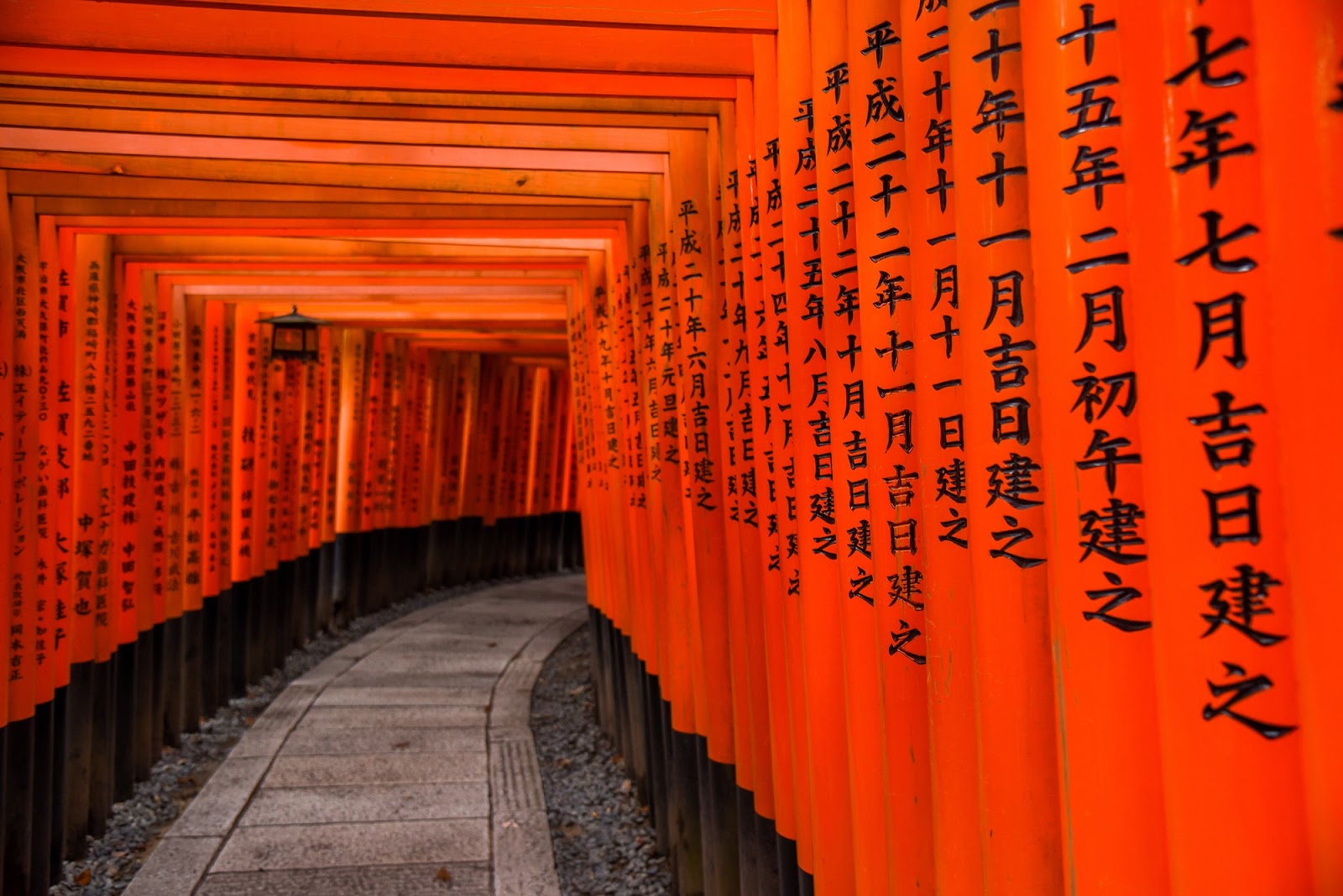
The parade of iconic reddish-orange (or are they orangish-red?) torii gates of Fushimi Inari Taisha winds up Mount Inari in the thousands.
Each gate has been donated by a business or individual, creating a tunnel effect that's particularly photogenic during early morning or late afternoon. The full hike takes about 2-3 hours, but many visitors enjoy the first section before turning back.
Small shrines and rest areas dot the path, offering places to take breaks and enjoy the peaceful forest atmosphere. Fox statues guard the shrine grounds, representing messengers of Inari, the deity of rice and prosperity. Food stalls near the shrine entrance serve local specialties like inari sushi and kitsune udon.
The shrine opens 24 hours, making it possible to visit during quiet early morning hours or experience the mysterious atmosphere after dark. Spring brings cherry blossoms to the lower grounds, while fall colors shine in November & December.
2. Kinkaku-ji – The Golden Pavilion
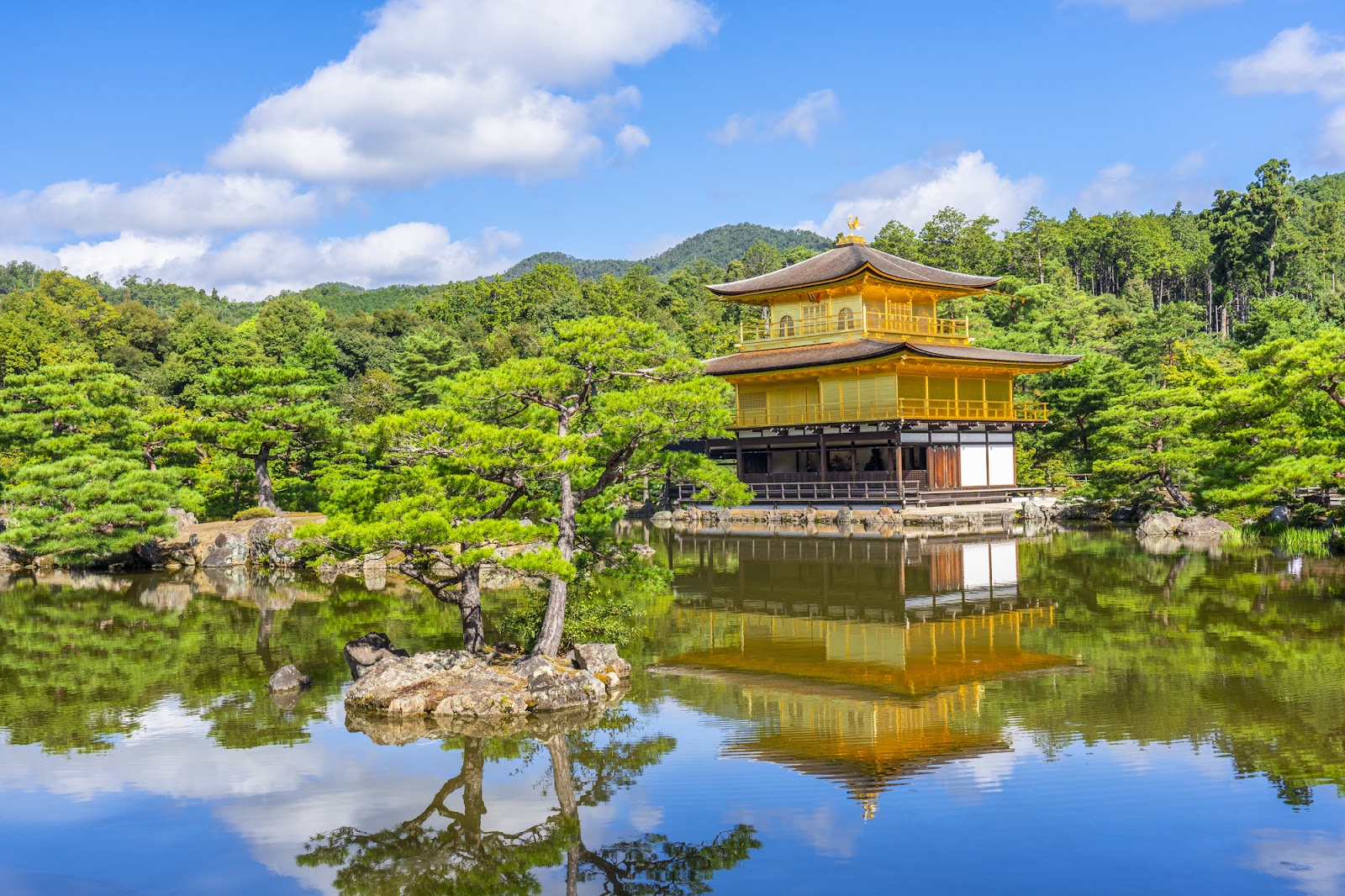
Kinkaku-ji's top two floors shine in brilliant gold leaf, reflecting beautifully in the mirror pond surrounding it.
The pavilion serves as a perfect example of Muromachi Period architecture, with each floor representing a different architectural style. The surrounding garden changes character with each season, from snow-covered winter scenes to bold autumn colors.
The garden path leads visitors around the pond, offering various views of the pavilion. Near the end of the route, a tea house provides traditional matcha and seasonal sweets. The garden design incorporates specific viewing points where the pavilion appears to float on the water's surface.
The site gets particularly crowded during autumn leaf season and spring cherry blossoms, so arriving early helps avoid the largest crowds. But really, it’s popular year-round. You don’t have to stay here very long, however, just be a bit patient and work your way through the crowds to get those photo-ops.
3. Kiyomizu-dera: A Grand Hillside Temple You Won’t Want to Miss
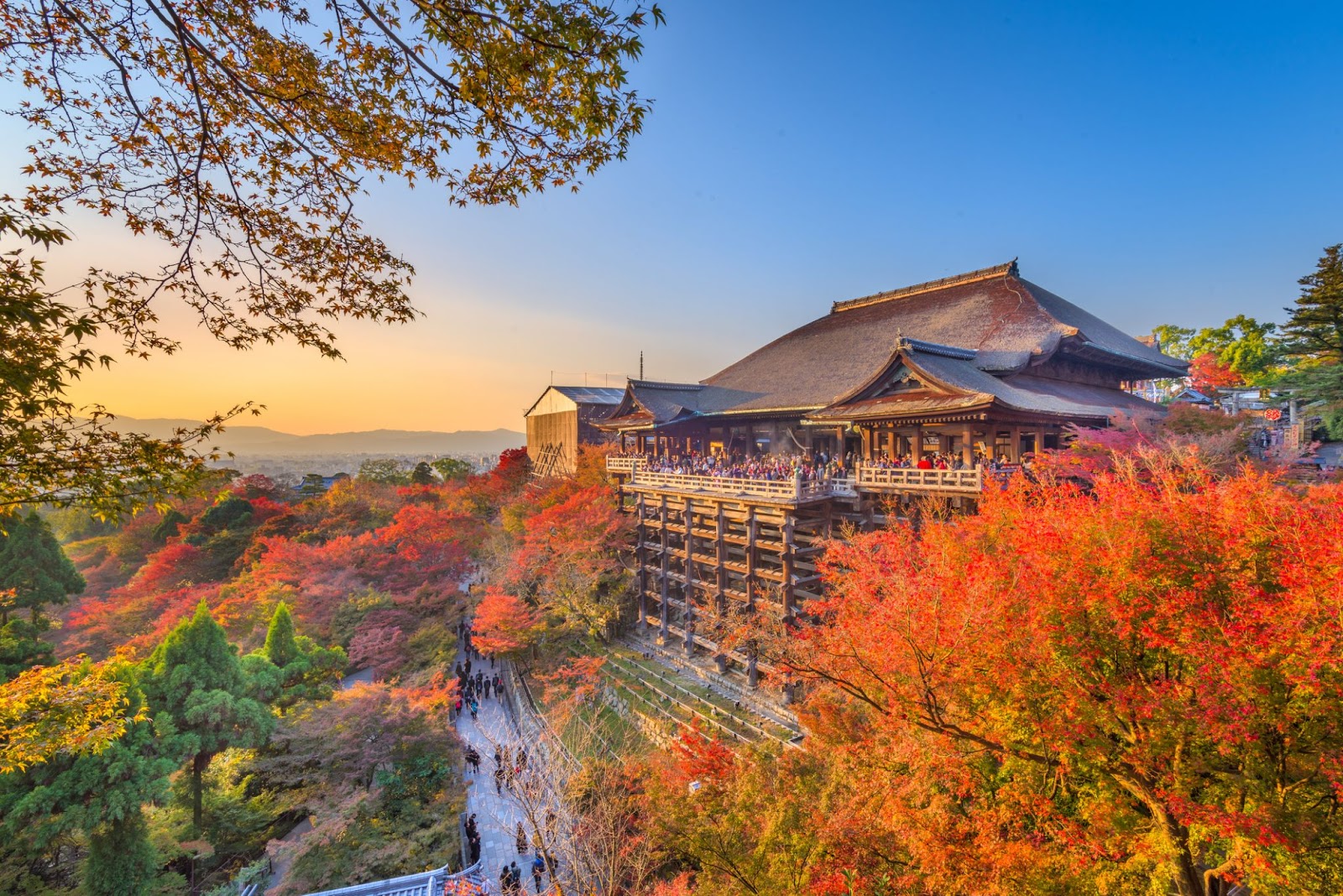
Built without using a single nail, Kiyomizu-dera's wooden stage juts out from the mountainside, offering spectacular views of Kyoto.
The temple complex includes several other buildings and the Otowa waterfall, where visitors can drink from three streams said to bring different blessings. Spring brings cherry blossoms while fall delivers stunning maple colors, making it popular all the time.
The approach to Kiyomizu-dera through the Higashiyama district adds to the experience. Old shops and tea houses line the narrow streets of Sannenzaka and Ninenzaka, many that have been around for hundreds of years. These shops sell local crafts, snacks and souvenirs, maintaining the atmosphere of old Kyoto.
The temple grounds include several other notable spots beyond the main hall. Jishu Shrine, dedicated to love and matchmaking, features two "love stones" placed 18 meters apart. Successfully walking from one to the other with your eyes closed indicates good fortune in finding love.
4. The Kyoto Yukata/Kimono Experience
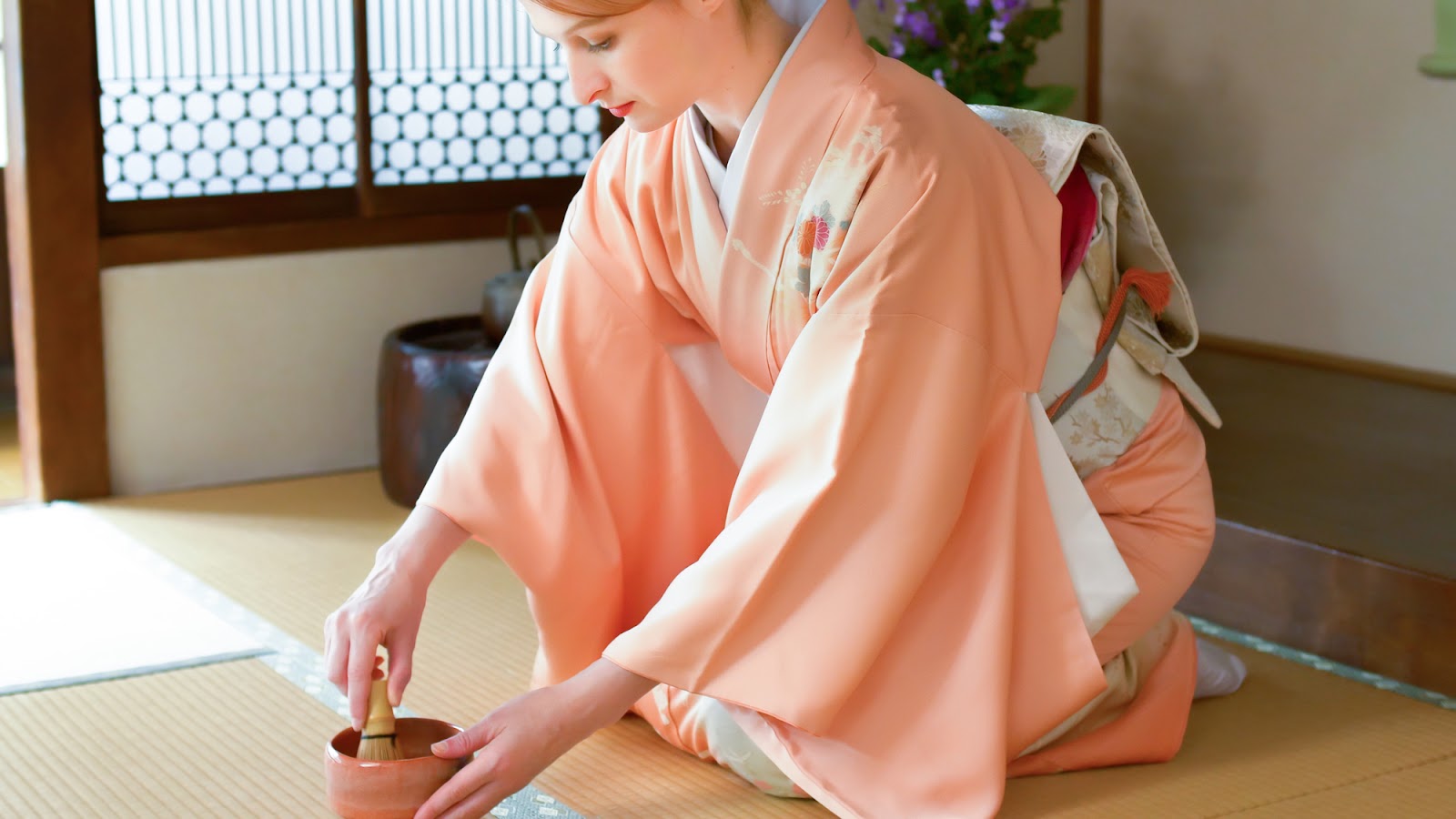
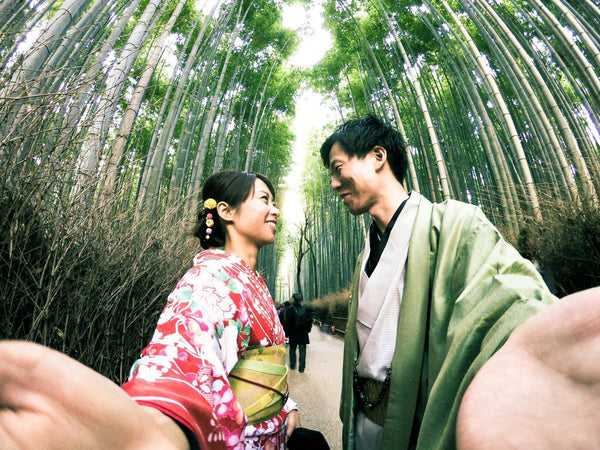
Going to Kyoto and dressing up in a yukata or kimono is popular among Japanese & non-Japanese visitors alike.
Numerous rental shops around Kyoto offer kimono experiences, complete with professional dressing assistance and hair styling. Many visitors choose to wear kimono while exploring traditional areas like Gion or Higashiyama, creating memorable photos against historic backdrops.
The rental process typically takes about an hour, including choosing your kimono and getting dressed. Staff help select appropriate seasonal patterns and colors. Most rental packages include all accessories, from sandals to hair ornaments. Some shops offer photography packages or guided tours of nearby photo spots.
Winter rentals often include warm layers and the option of wearing a traditional coat. Several shops also offer men's kimono and children's sizes, making it possible for families to enjoy the experience together.
For a complementary cultural experience, you can also explore a Japanese tea ceremony while in Kyoto.
5. Matcha Cafes of Kyoto
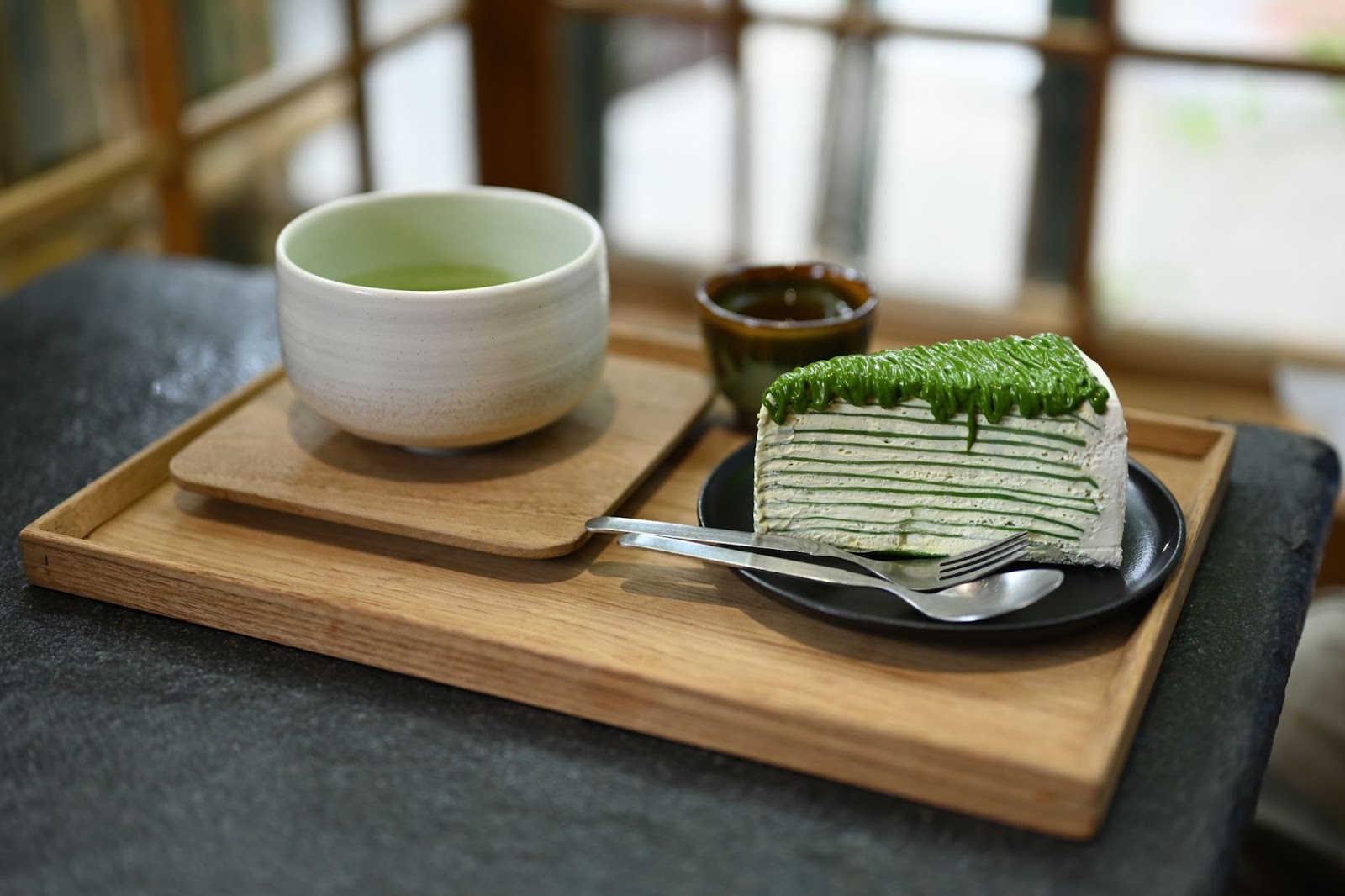
Kyoto's tea culture runs deep, and matcha cafes throughout the city (and in nearby Uji, Kyoto prefecture, the green tea capital of Japan) serve everything from traditional tea ceremony experiences to modern matcha lattes and desserts.
Traditional tea houses require advance reservations and follow strict etiquette, while modern cafes offer casual environments to enjoy green tea treats.
Popular items include matcha parfaits layered with mochi and red bean paste, matcha rolled cakes and seasonal wagashi (traditional sweets). Many cafes also serve hojicha, a roasted green tea with a mellower flavor than matcha.
Some establishments offer tea-making workshops where visitors can learn proper techniques for preparing matcha.
6. Arashiyama Area - Bamboo & Beyond
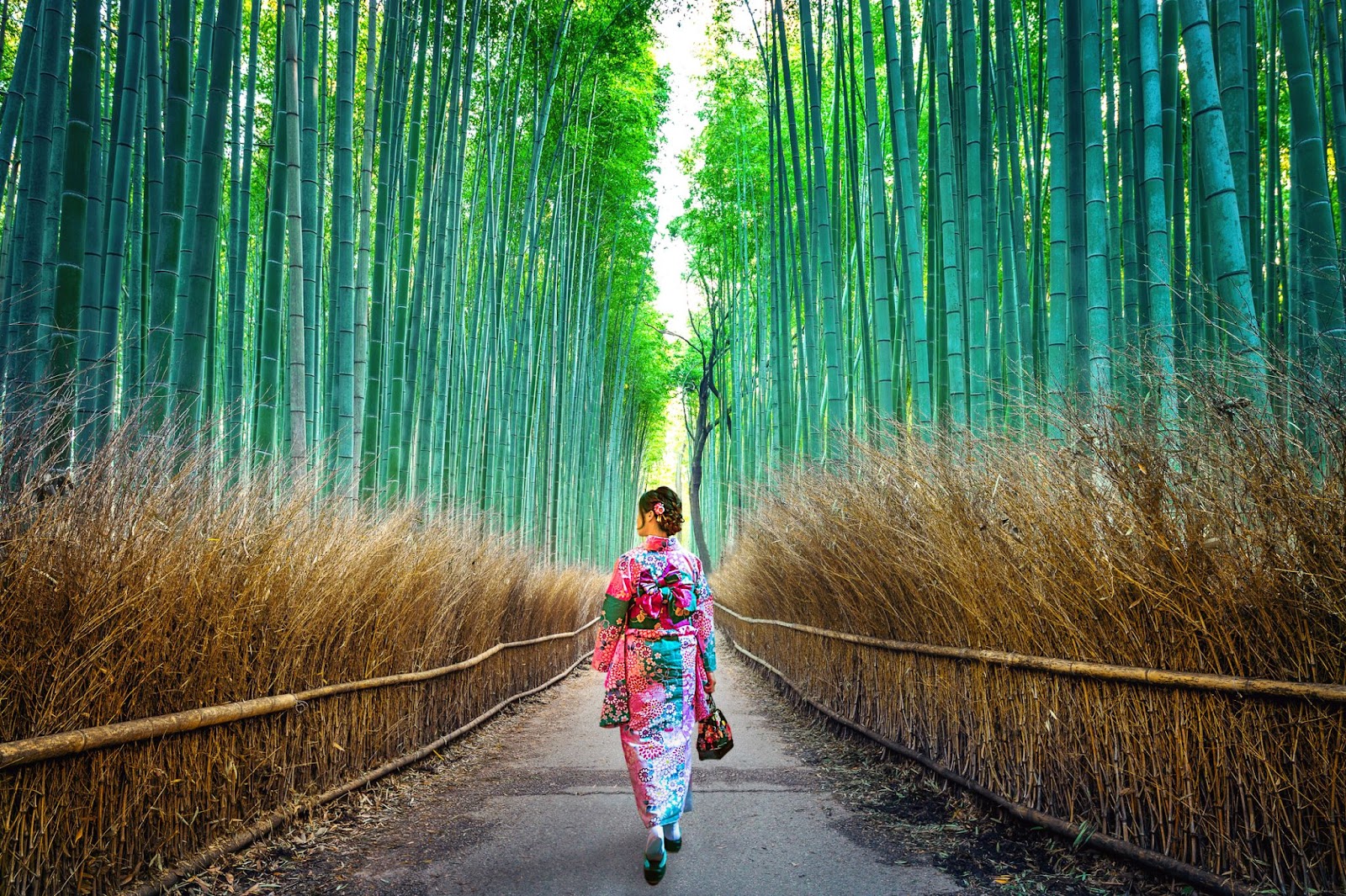
The Arashiyama district combines natural beauty with cultural sites.
The famous bamboo grove creates an otherworldly atmosphere with its towering green stalks. Early morning visits provide the best opportunity to experience the quiet beauty and natural light filtering through the bamboo. Pretty quickly, the place fills up with people (lots and LOTS of people these days!).
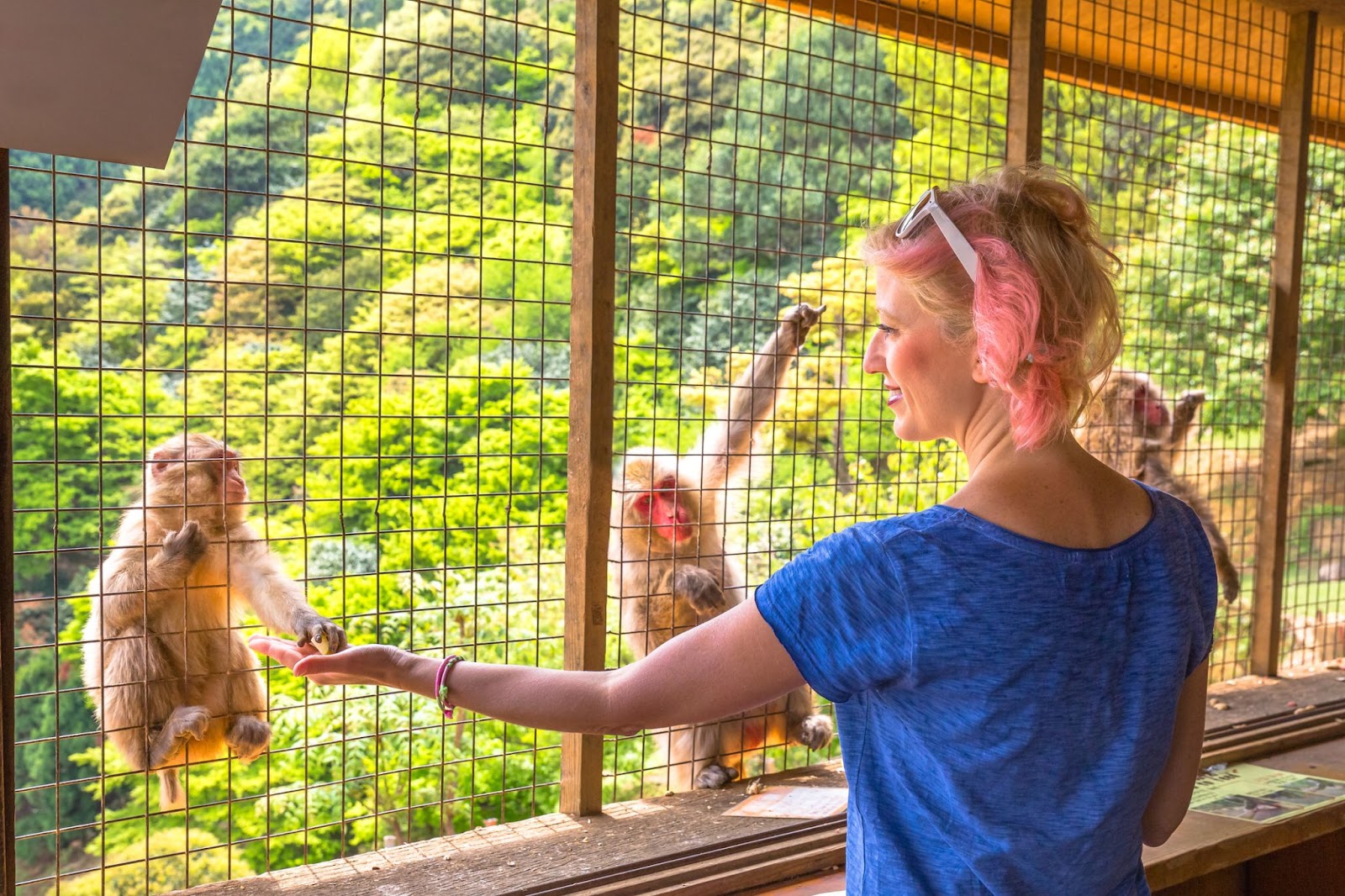
Iwatayama Monkey Park sits atop a mountain overlooking the city. About 120 Japanese macaques roam freely while visitors can feed them from inside a protected building. The 20-minute uphill hike to reach the park rewards with panoramic views of Kyoto.
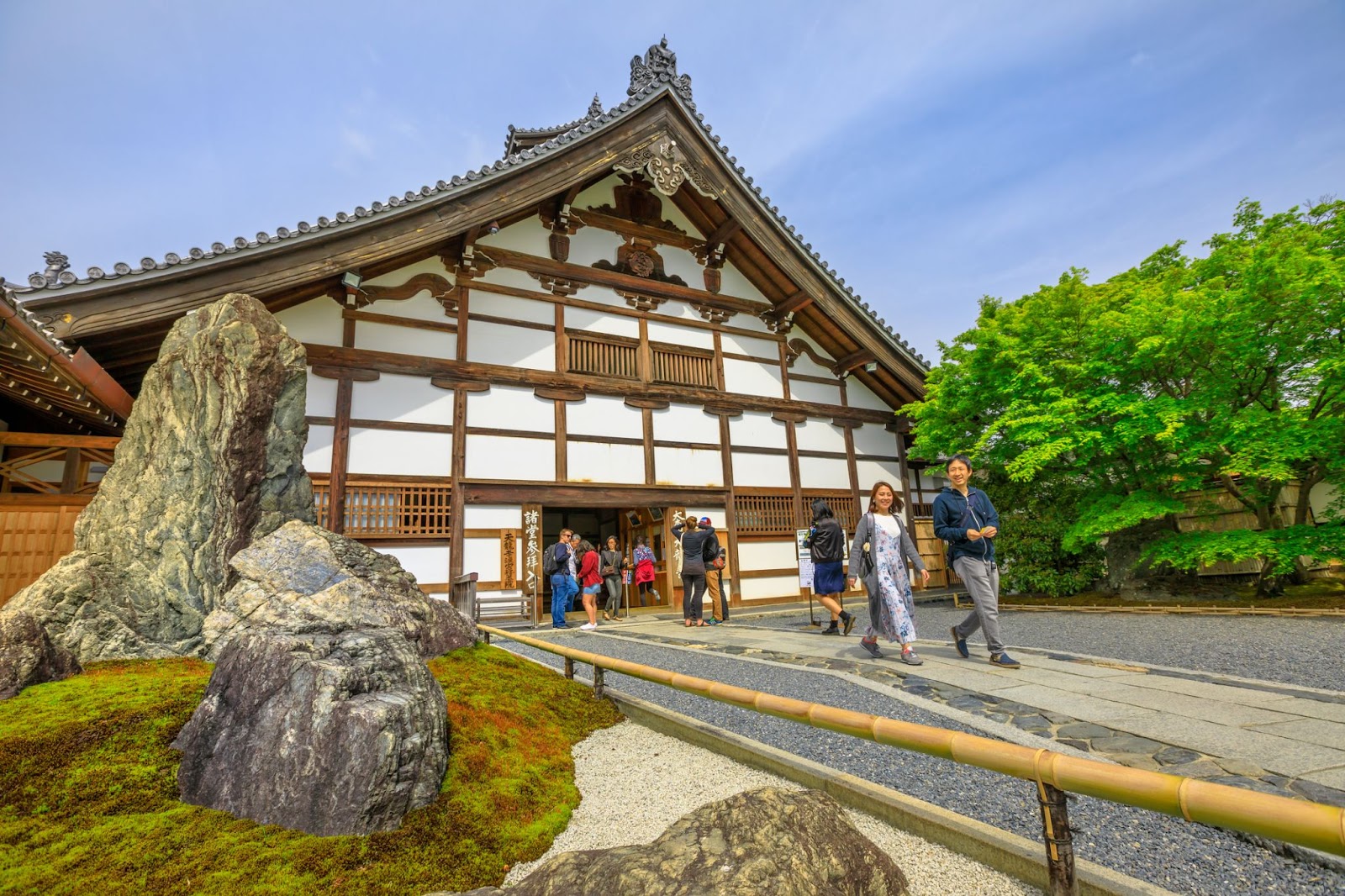
Tenryu-ji Temple, a UNESCO World Heritage site, features one of Kyoto's finest Zen gardens. The garden maintains its original 14th-century design, with a central pond reflecting seasonal changes in the surrounding landscape. The temple's bamboo forest path connects to the main bamboo grove. Plus you can enjoy a shojin ryori (Buddhist vegetarian) lunch here.
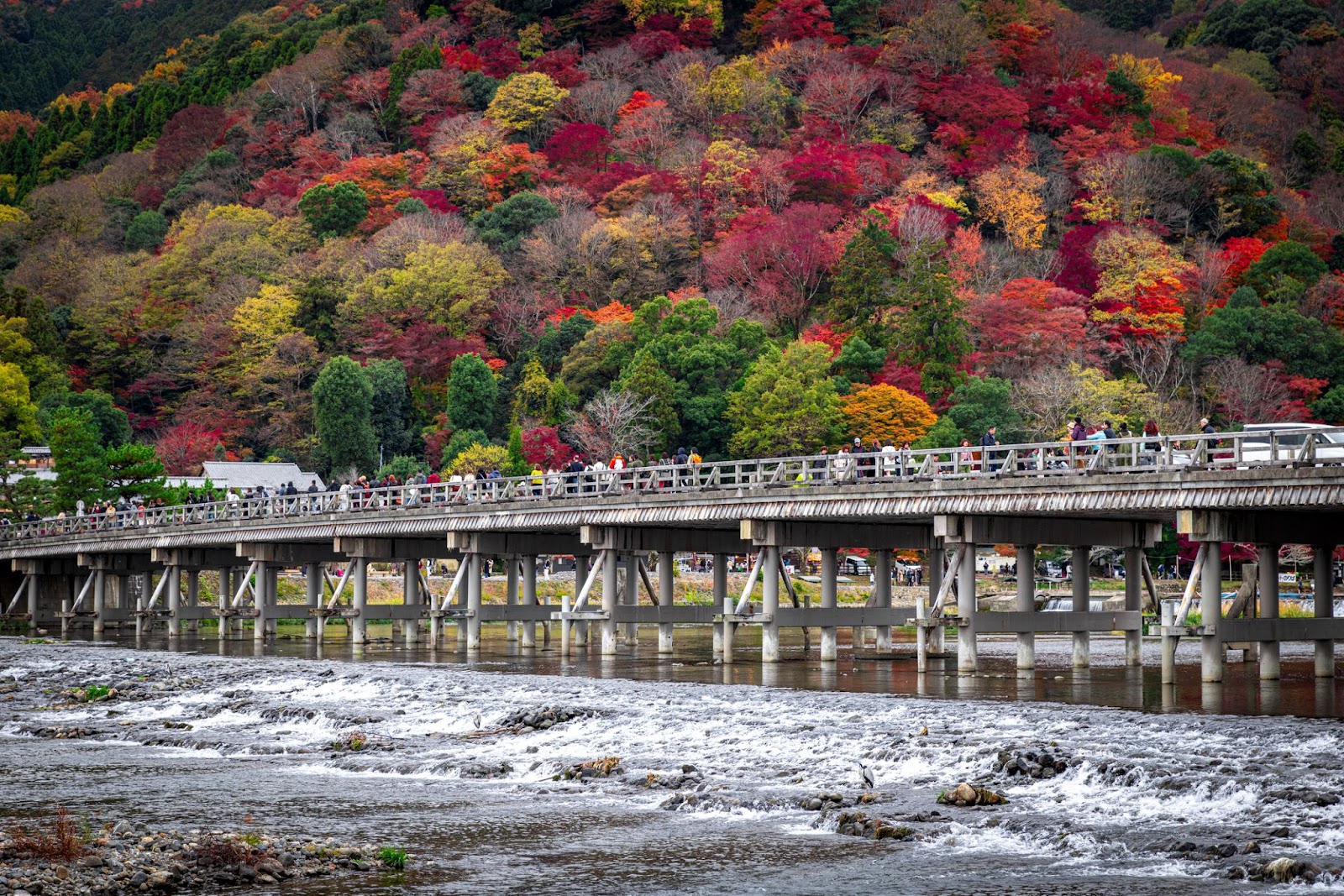
The Togetsukyo Bridge spans the Katsura River, providing views of old-school cormorant fishing during summer evenings. Small boats offer river cruises, particularly popular during cherry blossom season and fall colors.
7. Nintendo Museum

Housed on the site of the former Uji Ogura factory, the museum traces Nintendo’s journey from Hanafuda cards to iconic consoles like the Switch. Visitors can explore interactive exhibits, try classic games, and craft their own Hanafuda cards in “Make & Play” workshops.
Exclusive merchandise and a themed café are open only to ticket holders. Special spots for Pikmin Bloom and Pokémon GO add extra fun. Tickets must be reserved in advance via a Nintendo Account.
Combine your visit with Uji’s matcha cafes or Byodo-in Temple for a perfect day trip!
Less Touristy Gems in Kyoto
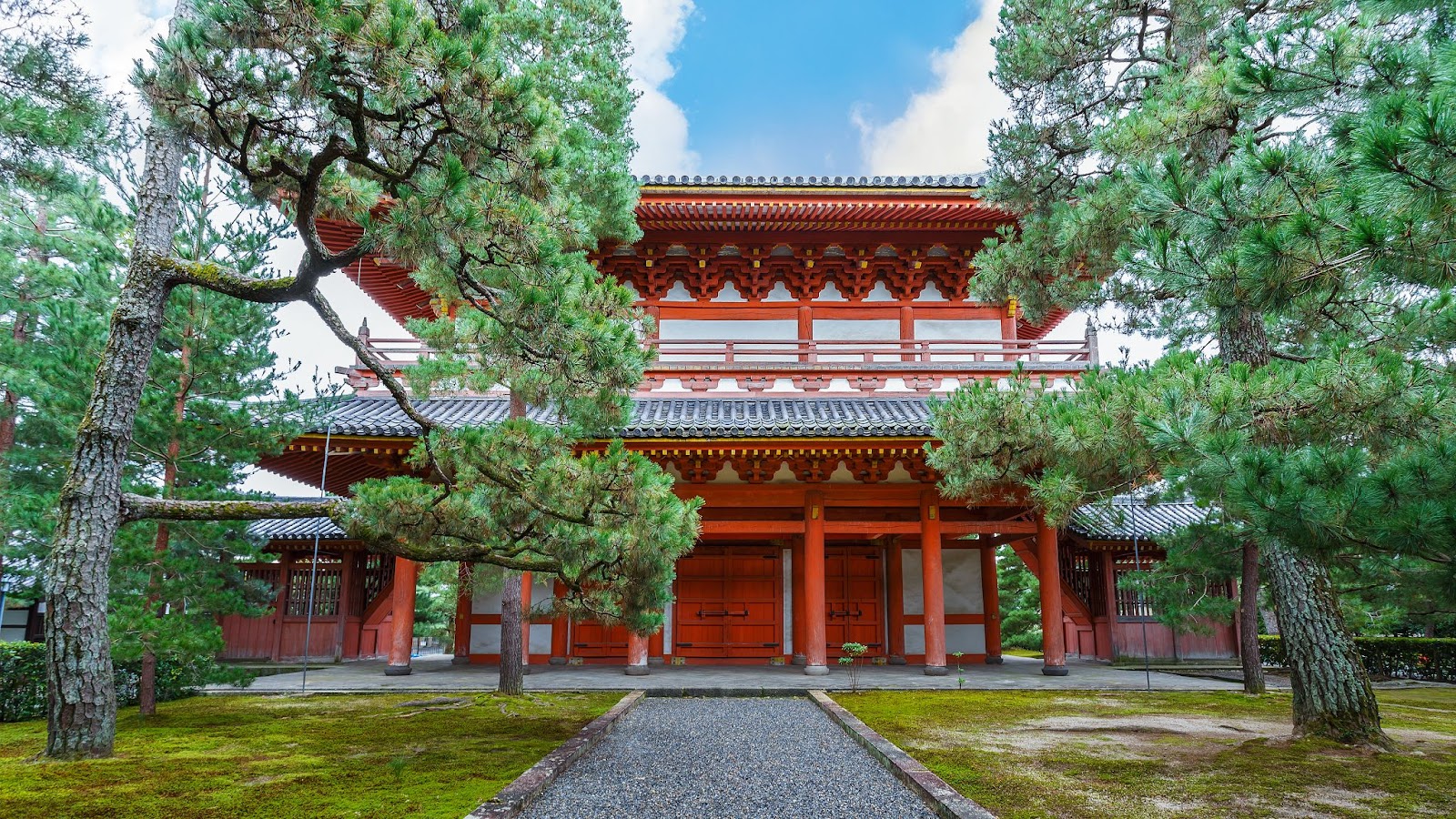
Away from major sites, Kyoto can sometimes show another side of its unique character.
But you really need to look for it.
The Daitoku-ji temple complex offers peaceful gardens with fewer crowds. This Zen temple complex includes multiple sub-temples, each with distinct garden styles ranging from rock gardens to lush moss gardens.
Nishiki Market used to be a local shopping experience with legit foods and crafts. Nowadays, this narrow shopping arcade stretches for several blocks, hosting vendors selling mostly shlock on a stick, and we usually recommend either breezing through (and mocking all the selfie-posing tourists around you) or giving it a miss altogether. Whatever they offer in Nishiki, you can get better somewhere else. Sanjo Shotengai is a good example of a local shopping street that’s way legit compared to touristy Nishiki.
It seems pretty much anything that makes its way onto Google Maps and gets good reviews nowadays becomes pretty crowded pretty quickly. Best to take a look at the map and find hidden gems that are up in the hills of Kyoto or tucked away on side streets.
Visiting Kyoto FAQs
What should you not miss in Kyoto?
You shouldn’t miss Kyoto’s most iconic sights: Fushimi Inari Taisha for its famous torii gates, Kinkaku-ji for its gold-covered temple, and Kiyomizu-dera for panoramic views.
What are the top five things to do in Kyoto?
The top things to do in Kyoto include visiting Fushimi Inari Taisha, seeing Kinkaku-ji, exploring Kiyomizu-dera, walking through Arashiyama Bamboo Grove, and experiencing a traditional kimono or tea ceremony. These activities combine Kyoto’s culture, history, and scenery.
What to do with a day in Kyoto?
With one day in Kyoto, start early at Fushimi Inari Taisha, then head to Higashiyama to visit Kiyomizu-dera and walk through Sannenzaka. In the afternoon, explore Gion or Nishiki Market, and finish the day in Arashiyama or with a traditional Kyoto dinner.
What is Kyoto famous for?
Kyoto is famous for its historic temples, traditional culture, and seasonal beauty. It’s known for landmarks like Kinkaku-ji, geisha culture in Gion, kaiseki dining, matcha from Uji, and traditional experiences like ryokan stays and tea ceremonies.
Is Kyoto too crowded to visit?
While some areas like Fushimi Inari Taisha and Kiyomizu-dera can be crowded, much of Kyoto remains peaceful. Visiting early, exploring less touristy areas, and planning your itinerary carefully allows you to enjoy Kyoto without major issues.
How to get to and around Kyoto?
From Tokyo, Shinkansen bullet train provides the most convenient access to Kyoto, taking about 2 hours and 15 minutes on Nozomi trains. From Osaka, regular commuter trains run frequently, both on the JR line as well as Hankyu.
Kyoto Travel Guide
Planning more time in Kyoto? Check out our full Kyoto travel guide with itineraries, covering what to do, where to stay, where to shop, and everything you need for a smooth, stress-free trip.


0 comments