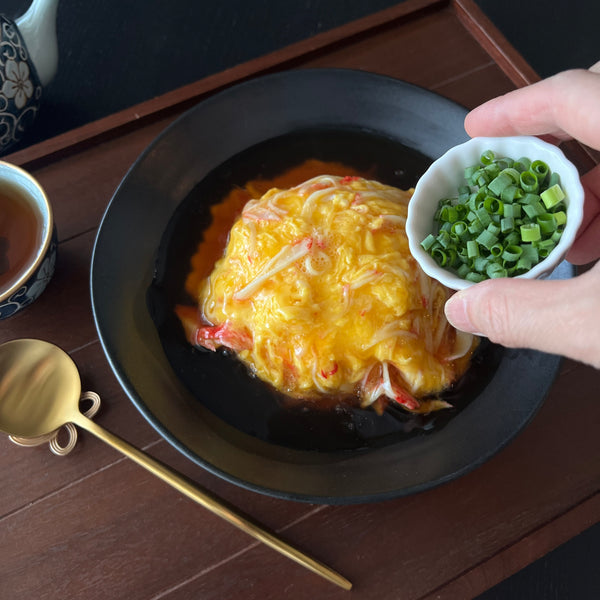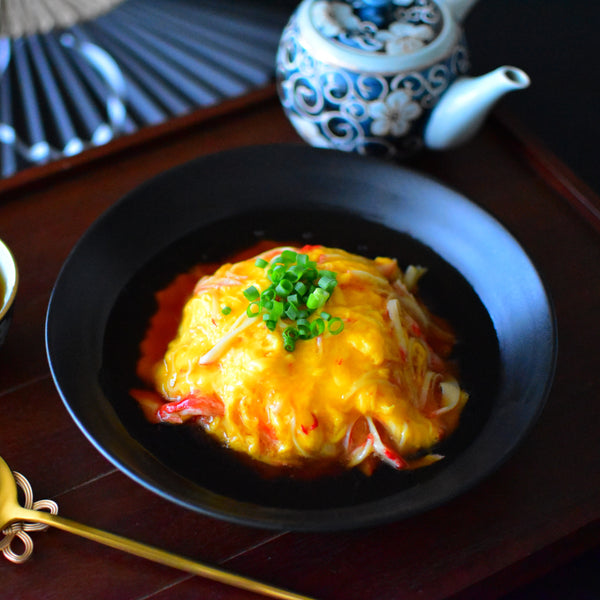
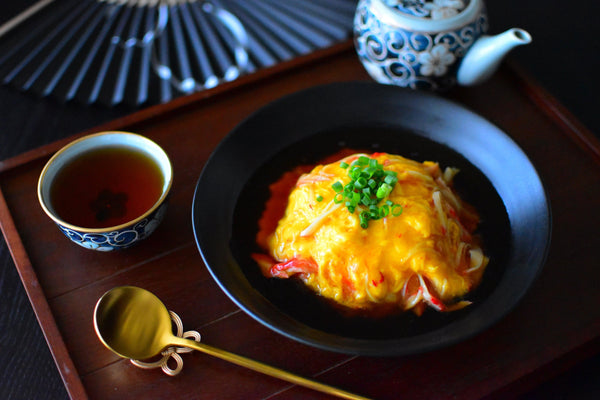
Today, we are excited to introduce one of Japan's most comforting and visually appealing fusion dishes: Tenshinhan. At first glance, the star of this dish is undeniable—a magnificent, dome-shaped omelet with a beautifully melty texture. This fluffy egg layer typically features delicate pieces of crab meat (or flavorful imitation crab) and is generously draped in a glossy, thick, savory gravy that pools around the base. It is a soul-food staple found in almost every "Chuka" (Japanese-style Chinese) restaurant across the country.
The name “Tenshin” refers to the city of Tianjin in China. While China does have a similar egg dish known as Fuyunghai, it is not traditionally served over a bed of rice in its homeland. Thus, Tenshinhan is a unique Chinese-style fusion dish that was actually born and nurtured in Japan. Its origins are shrouded in culinary mystery, but one popular legend traces it back to the Taisho era at a Chinese restaurant in Asakusa, Tokyo. According to the story, a hungry customer rushed in asking for something "quick to eat," and the chef improvised by sliding a crab-filled omelet onto a bowl of rice and finishing it with a sweet-and-sour vinegar sauce.
One reason this "improvised" dish became a nationwide sensation is the perfect synergy of its accessible ingredients. In Japan, “Kanikama” (imitation crab) is a beloved household staple. It offers a taste and texture remarkably close to real crab meat but at a fraction of the cost, making Tenshinhan an affordable luxury for families. This accessibility, combined with the mild, satisfying flavors, has cemented its place in the hearts of both children and adults.
Structure-wise, a perfect Tenshinhan consists of three distinct layers that must work in harmony:
-
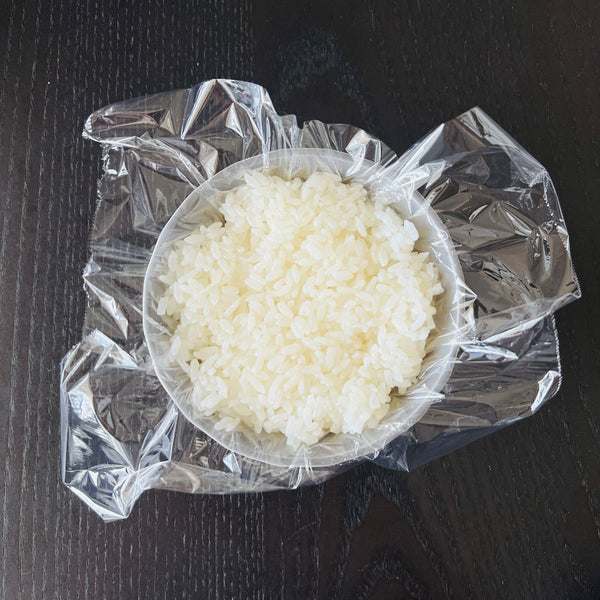
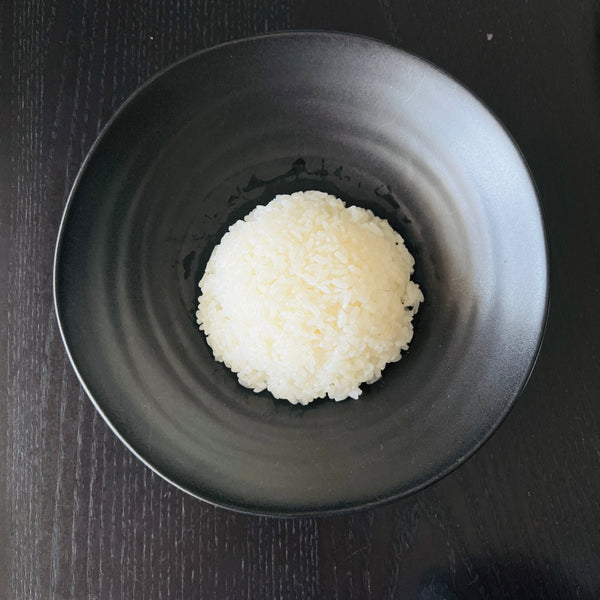
The Foundation: A steaming bowl of fluffy white rice that acts as the perfect canvas.
-
The Heart: A soft, slightly runny egg omelet studded with colorful crab meat and green onions.
-
The Crowning Glory: A thick, translucent savory sauce—often made with a base of soy sauce, oyster sauce, or sweet vinegar—that binds all the elements together.
When you take a bite, these three layers create a symphony of textures in your mouth, ranging from the bite of the rice to the silkiness of the egg and the richness of the sauce. It is truly a go-to recipe for those days when you want something substantial yet easy to prepare.
To ensure your homemade Tenshinhan reaches restaurant-quality standards, here are some expanded pro-tips:
-
Emulsify the Eggs: Don't just lightly whisk; beat the eggs thoroughly until no streaks of white remain. Since egg yolks and whites set at different temperatures, a well-blended mixture ensures a uniform, velvety texture that melts on the tongue.
-
Control the Heat: Use a generous amount of oil in a very hot pan. Pour the eggs in and stir-fry with lightning speed. The goal is to let the bottom set while keeping the top creamy and semi-cooked. Overcooking will turn the delicate omelet into a dry sponge, which won't absorb the sauce properly.
-
The Sauce Consistency: Ensure your starch slurry is mixed well before adding it to the sauce base. It should be thick enough to coat the back of a spoon, creating that signature "glossy" look that defines the dish.
Keep these essential techniques in mind, and you'll be able to serve up a steaming, professional-looking Tenshinhan for a satisfying lunch or a quick weekday dinner tonight!
Instructions
1) Gathering the Ingredients
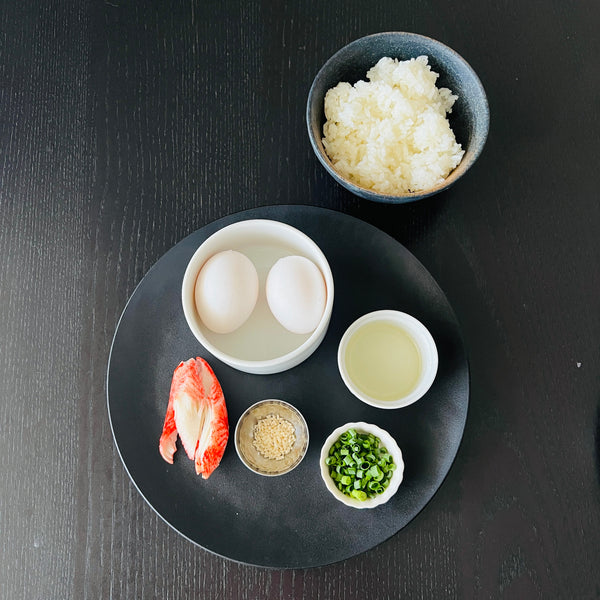
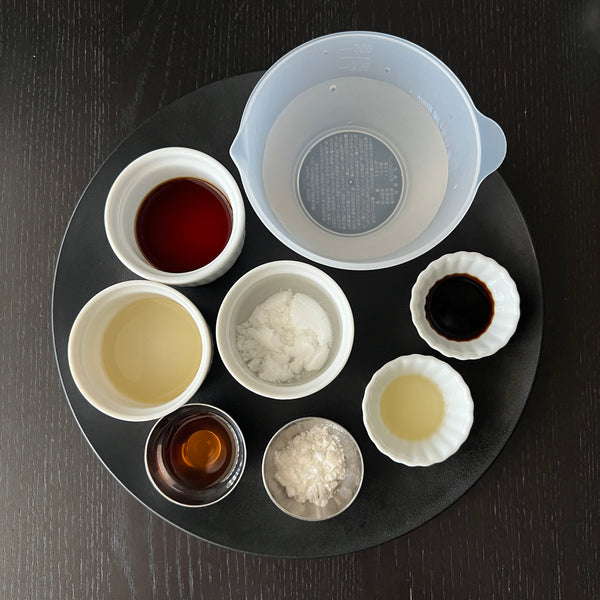
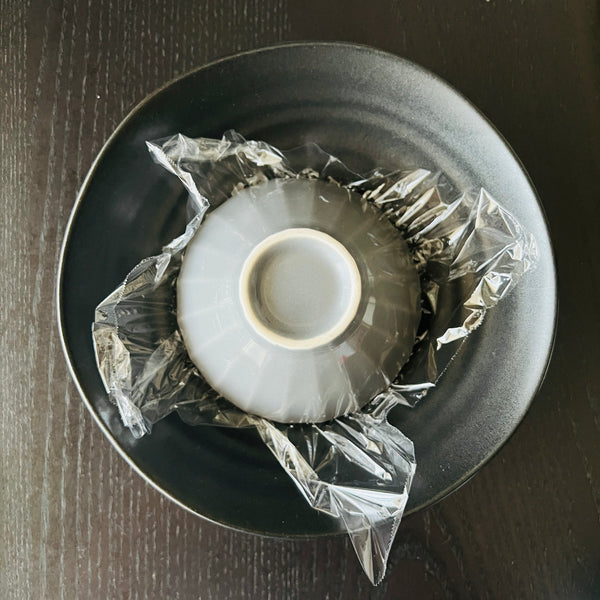
2) Shaping the Steamed Rice
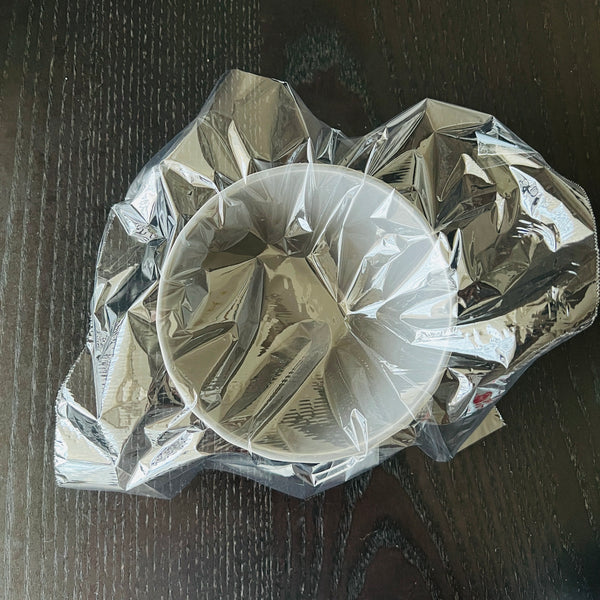
Expert's Tip
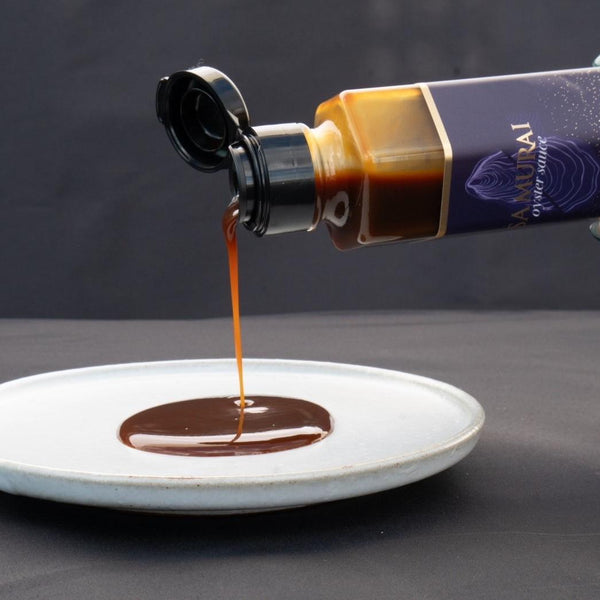
3) Making the Sweet and Sour Sauce
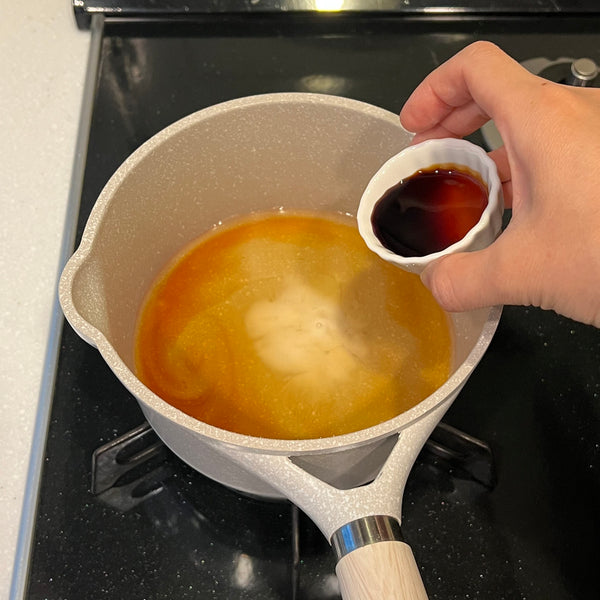
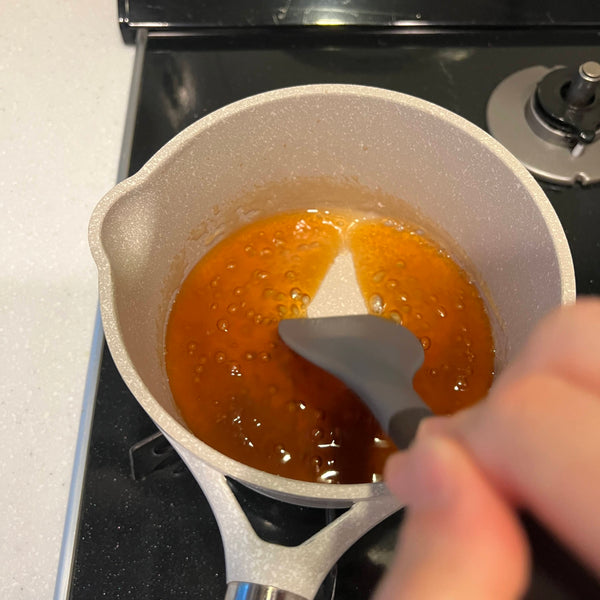
4) Making the Crab Omelet Mixture
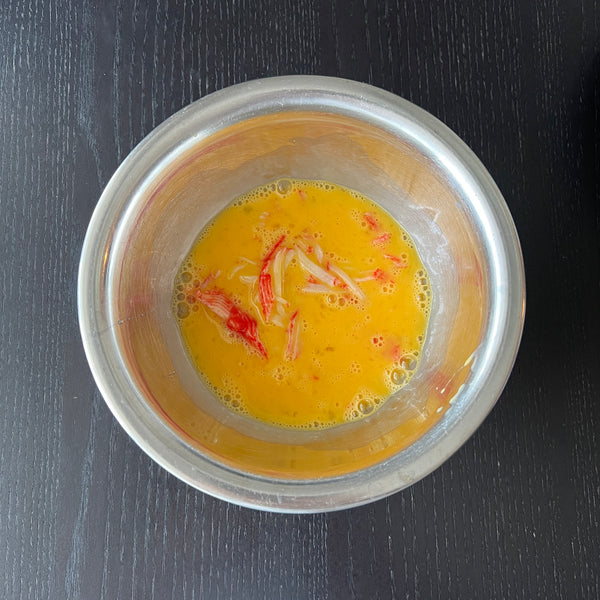
5) Cooking the Crab Omelet
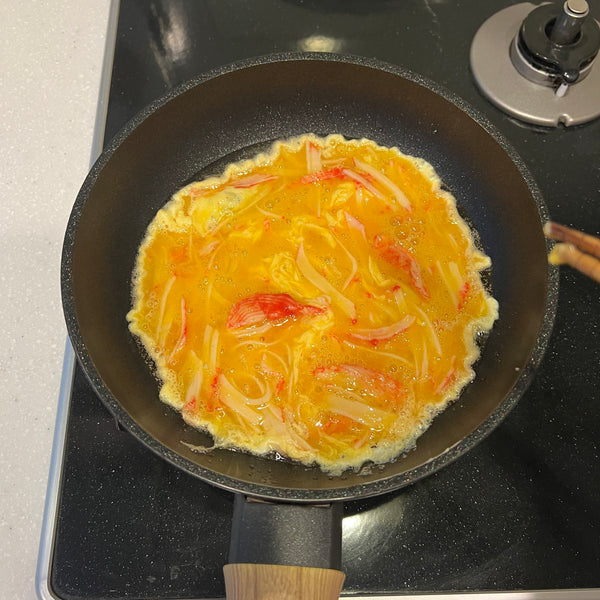
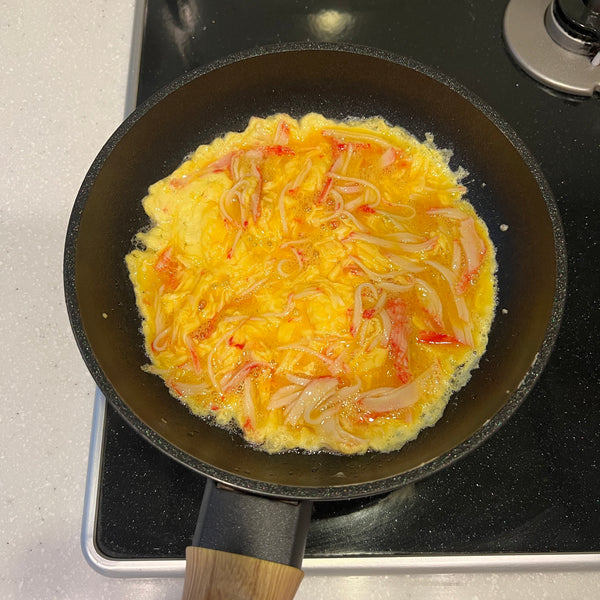
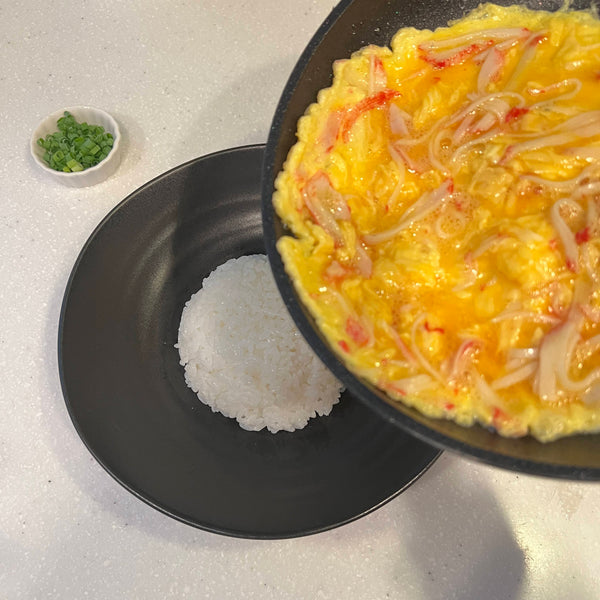
6) Pouring the Sauce Over the Tenshinhan
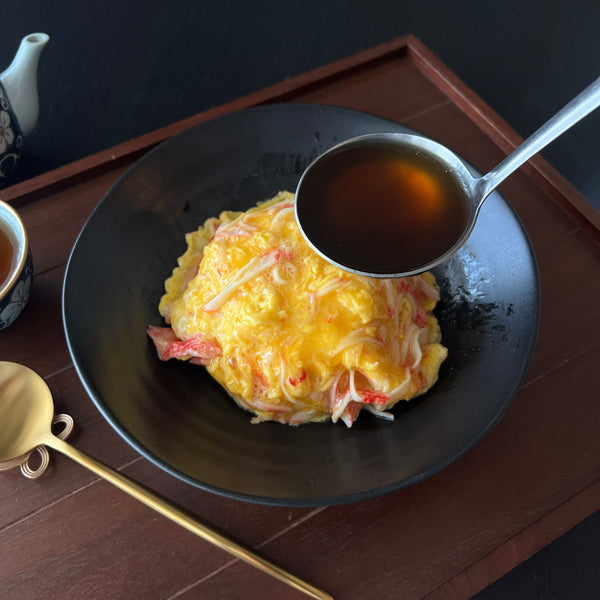
7) Garnishing & Enjoying Tenshinhan