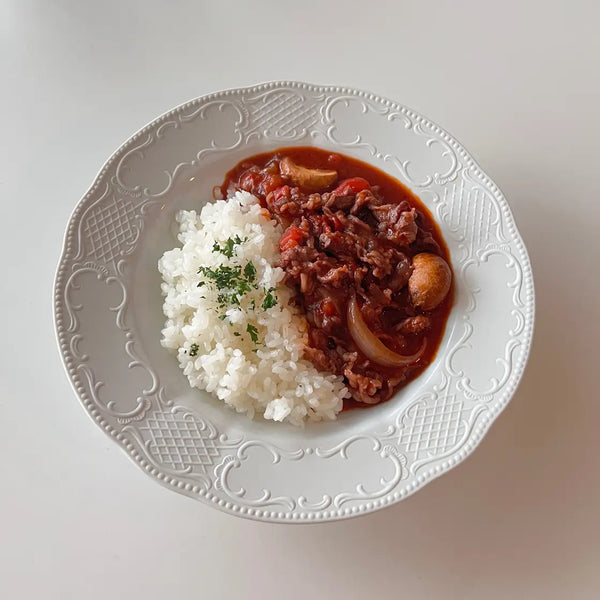
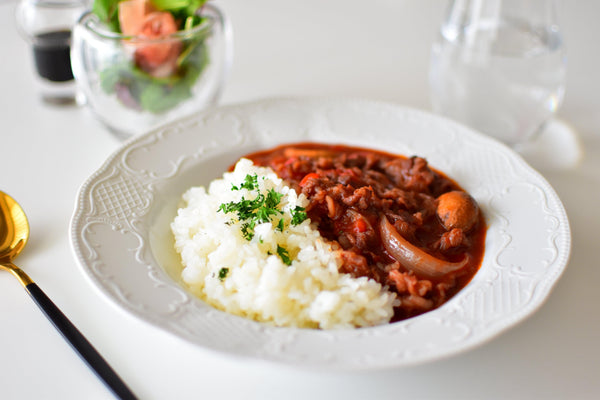
If you are experiencing Hayashi Rice for the first time, its inviting appearance and rich, savory aroma might immediately remind you of other international favorites like England's Hashed Beef or Russia's legendary Beef Stroganoff. While these three dishes certainly share a common culinary foundation—featuring tender, thinly sliced beef and caramelized onions as their core ingredients—they each possess distinct characteristics and flavor profiles that set them apart in the world of comfort food. Let’s take a closer look at the specific nuances that make each of these celebrated dishes unique:
Hashed Beef: This traditional British dish focuses heavily on the profound depth of a dark, savory demi-glace sauce. It is widely known for its intense, meaty richness and is typically prepared as a hearty, thick stew. The cooking process highlights the long-simmered flavors of the beef, resulting in a robust profile that is perfect for a filling meal.
Beef Stroganoff: Originating from the diverse culinary landscape of Russia, this version typically simmers beef, onions, and earthy mushrooms in a flavorful, brown broth. However, its most defining and famous feature is the addition of sour cream. Whether it is swirled directly into the sauce or placed as a dollop on top, it lends the dish a signature tangy acidity and a silky, velvety finish that is unmistakable.
Hayashi Rice: While it is certainly a close culinary sibling to Hashed Beef, Hayashi Rice brings a uniquely refreshing twist to the table that is tailored to the Japanese palate. In this version, tomatoes take center stage. The natural acidity and deep umami from the tomatoes lighten the overall flavor, creating a perfect balance that remains incredibly rich yet bright and palatable. This balance is especially noticeable when the sauce is served over a steaming, generous mound of fluffy white rice.
Hayashi Rice is a prominent and highly respected member of the Yoshoku category—a unique genre of Japanese cuisine that first emerged during the transformative Meiji period. This era was defined by a national fascination with global influences, leading pioneering Japanese chefs to creatively adapt Western concepts to suit local tastes and ingredients. For many people in Japan, Hayashi Rice is a deeply nostalgic "soul food"; it is a dish that evokes warm memories of cozy family dinners at home or the childhood excitement of seeing it on a favorite school lunch menu.
If you were to visit a professional, high-end Yoshoku restaurant in Tokyo or Osaka today, the chefs would likely be serving a sophisticated version of Hayashi Rice crafted with a complex, house-made demi-glace sauce that takes days of constant simmering to perfect. However, in the everyday reality of the modern Japanese home, people often look for clever and efficient shortcuts to enjoy this meal. Most households rely on convenient ready-made roux blocks—similar in form to the ubiquitous Japanese curry roux—or follow simplified family recipes that skip the labor-intensive demi-glace process altogether. Its reputation for being quick to prepare, easy to master, and universally loved by all ages has made it a permanent and essential staple in Japanese domestic life.
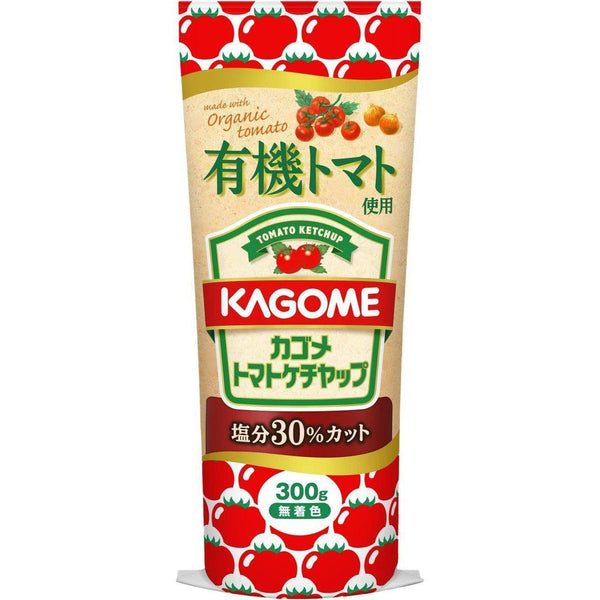
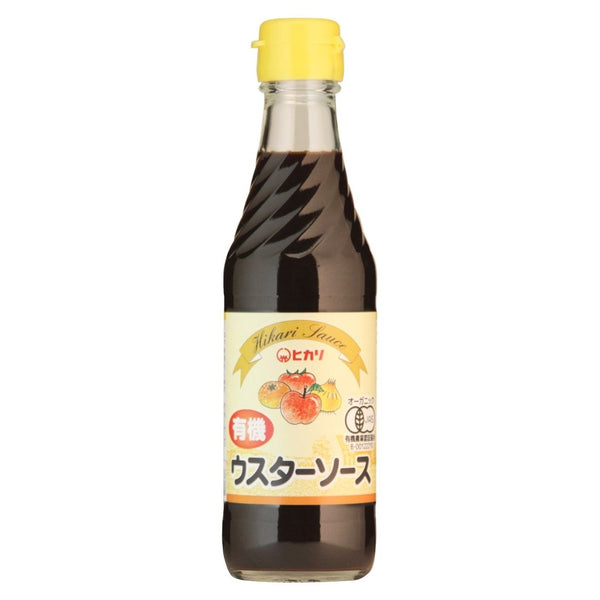
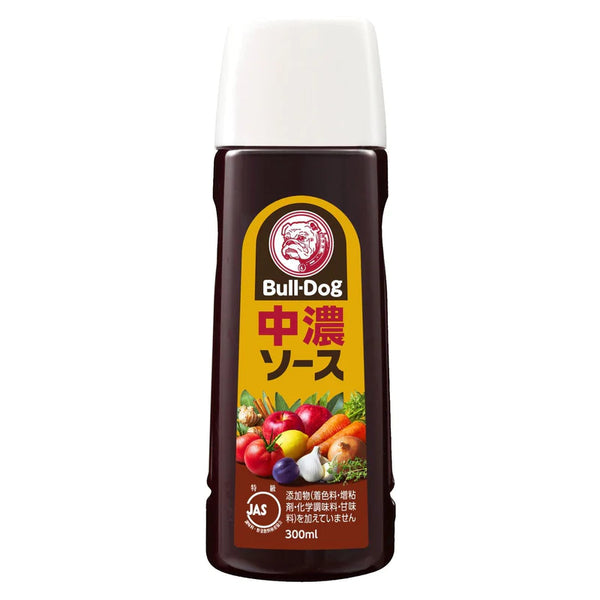
In this particular recipe, we are excited to show you the secret of how to recreate that authentic, deep flavor of Hayashi Rice entirely from scratch, without the need for commercial roux or a professional-grade demi-glace. By utilizing common pantry items such as canned tomatoes and ketchup, and skillfully combining them with Japanese household staples like Worcestershire sauce and Chuno sauce, you can achieve a sophisticated and multi-layered umami profile effortlessly. These fermented sauces provide the necessary complexity and savory depth traditionally offered by a long-simmered demi-glace, allowing the natural sweetness of the sautéed onions and the succulent richness of the beef to shine through brilliantly.
Are you ready to dive into the process of making this tempting and aromatic Hayashi Rice in your own kitchen? It is a rewarding culinary experience that not only satisfies the appetite but also brings a significant piece of Japanese history and culture to your dinner table. Let’s get cooking!
Instructions
1) Gathering the Ingredients
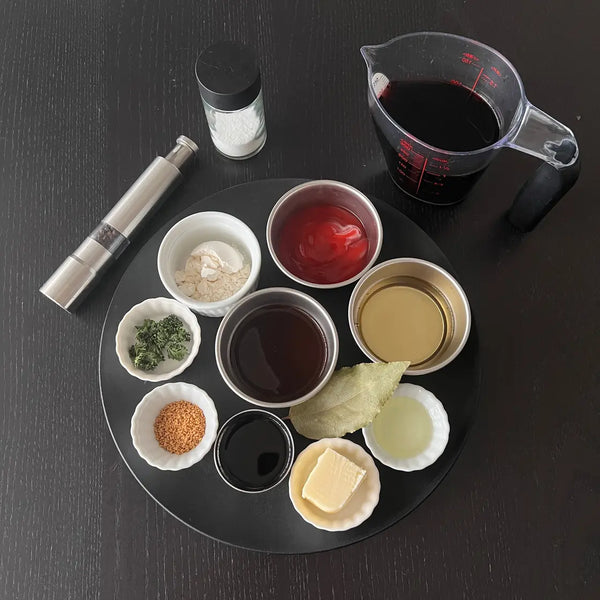
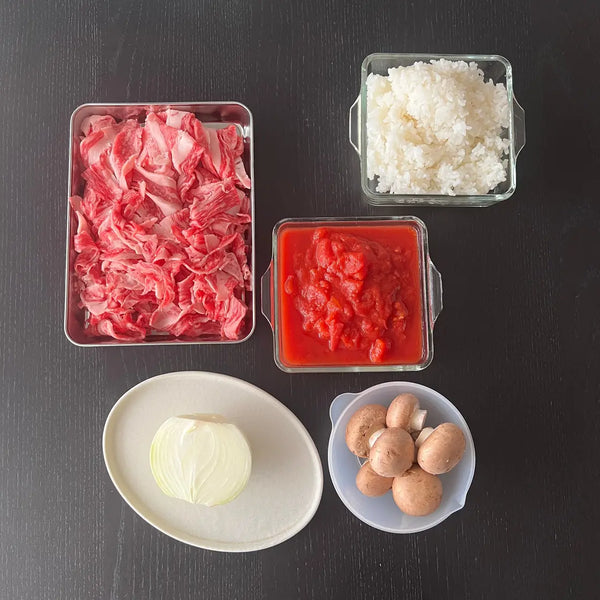
2) Slicing the Onions & Mushrooms
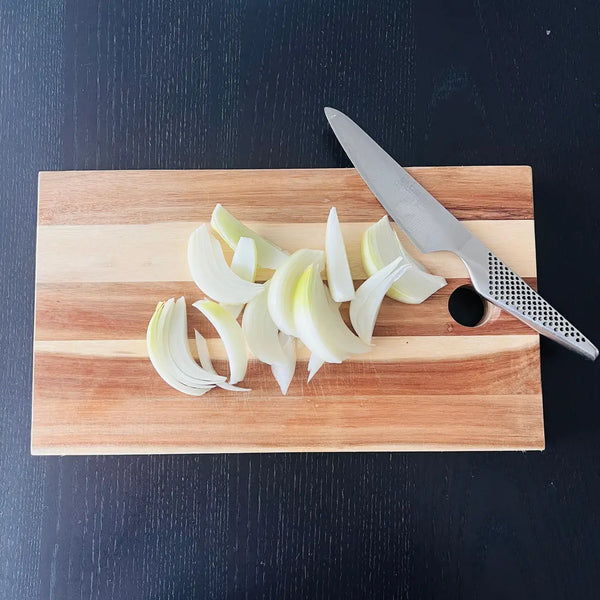
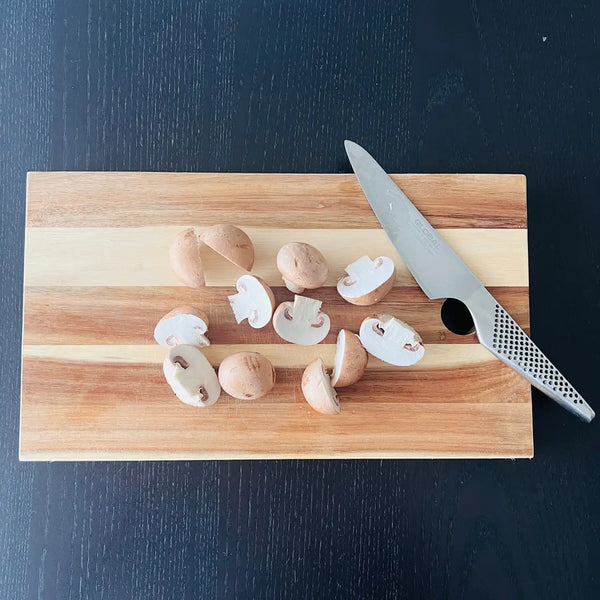
Expert's Tip
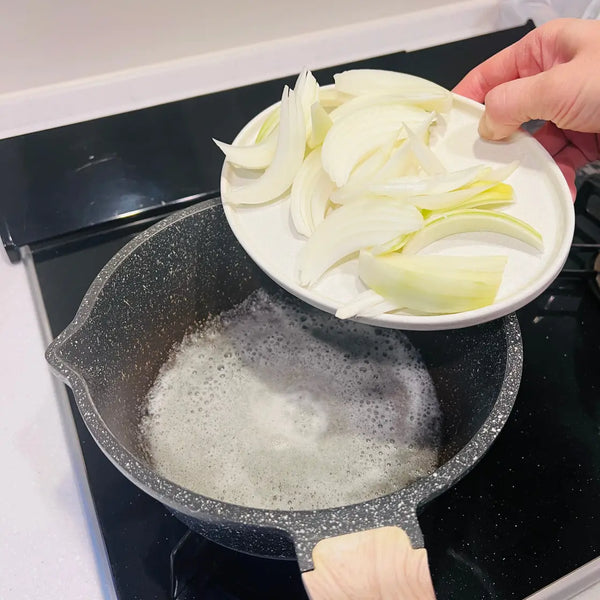
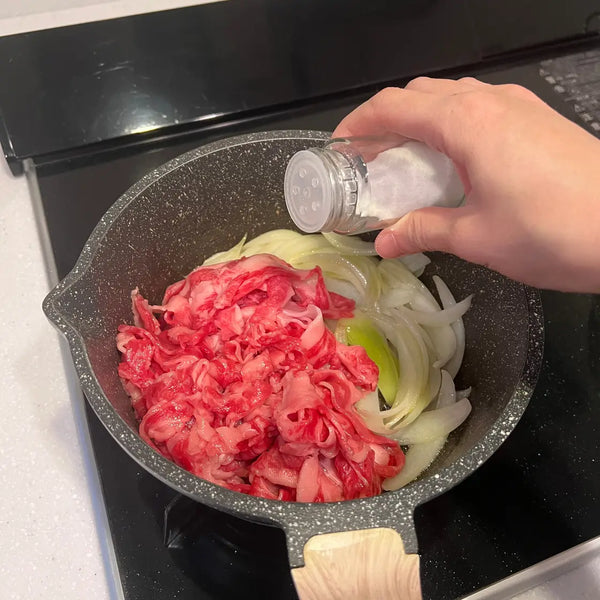
3) Stir-Frying the Onion and Beef Slices
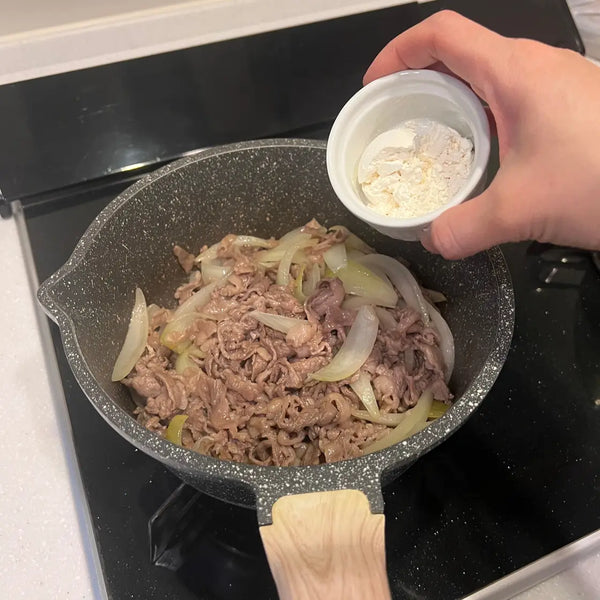
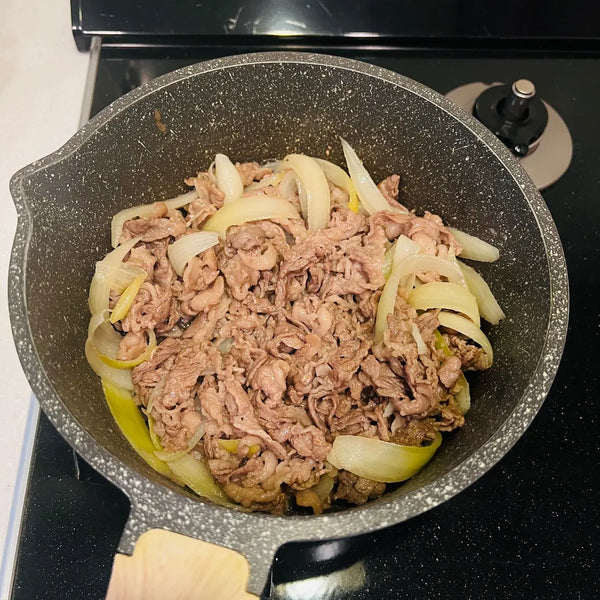
4) Simmering the Ingredients In Red Wine
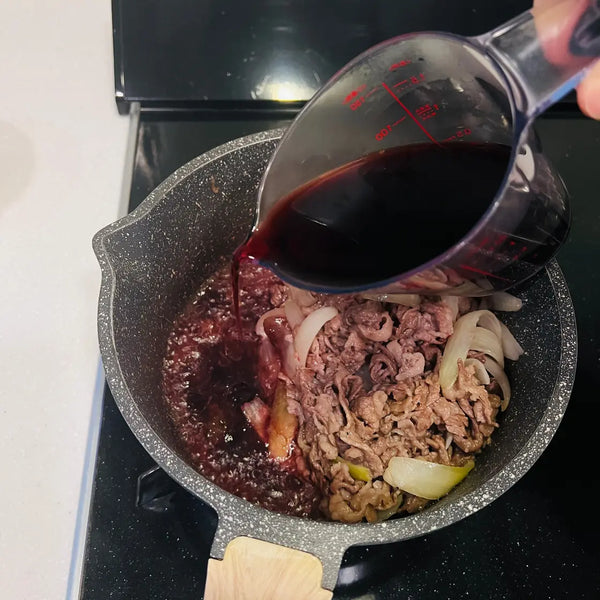
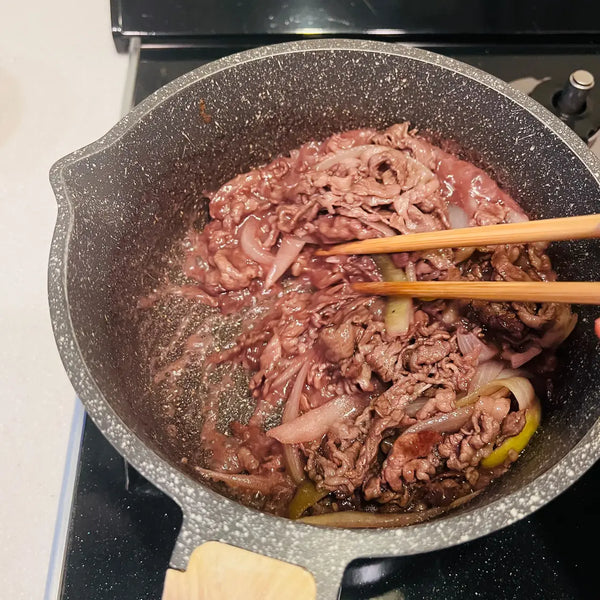
5) Adding in the Canned Tomatoes & Additional Seasonings
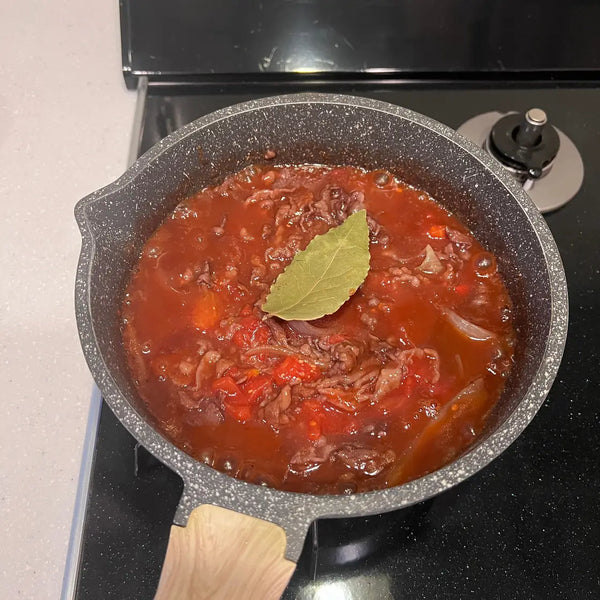
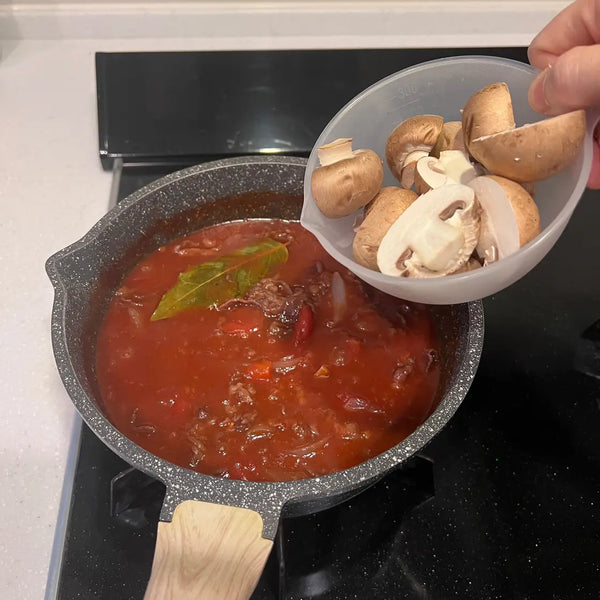
6) Adding the Mushrooms
7) Serving With Rice