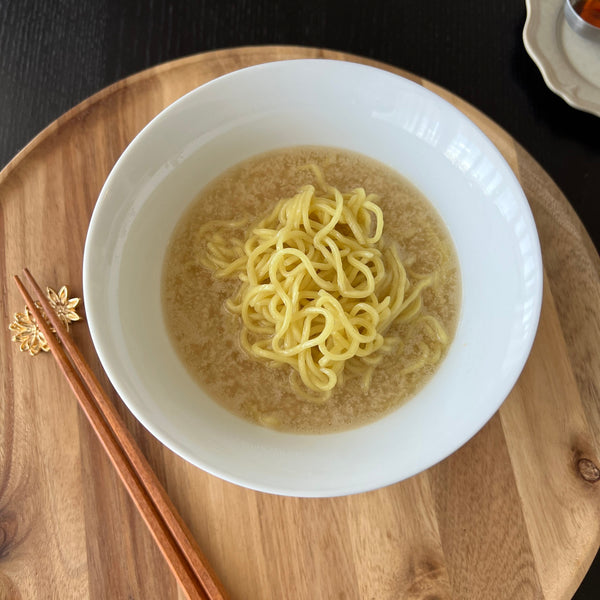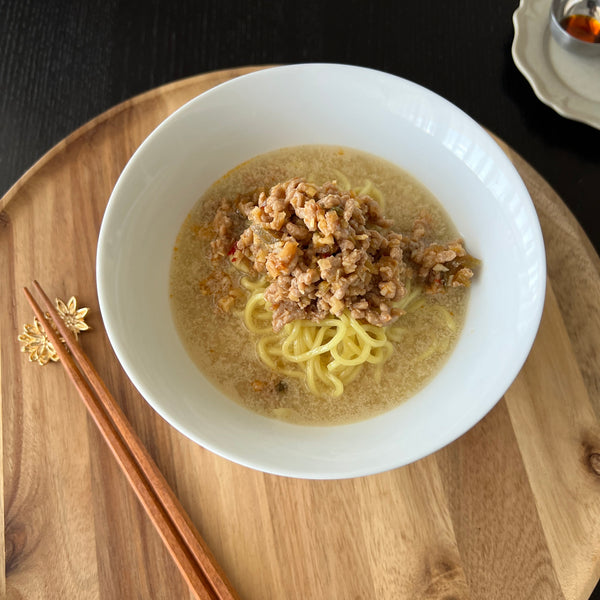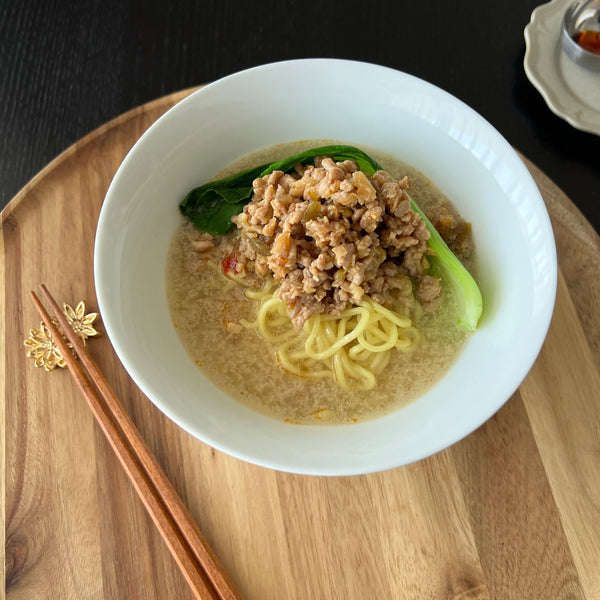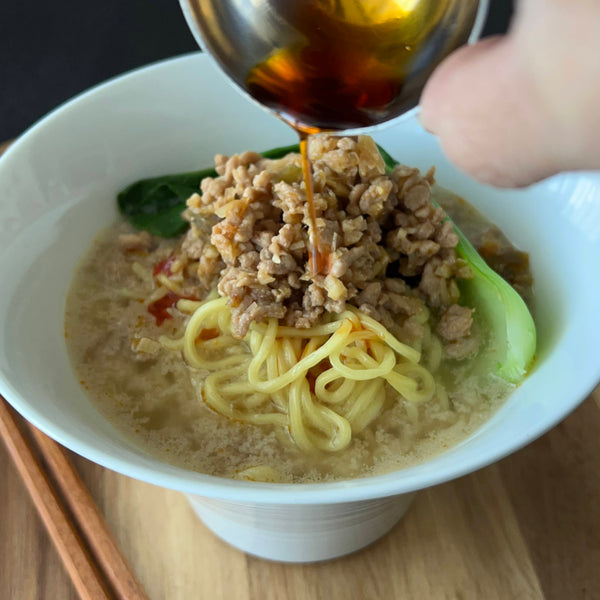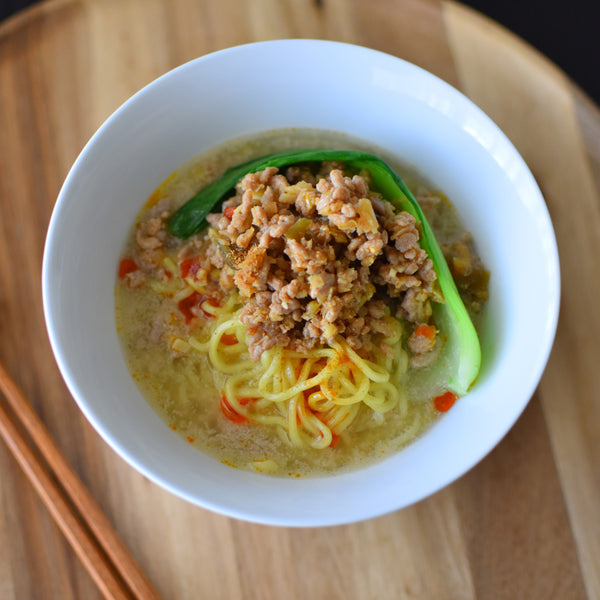
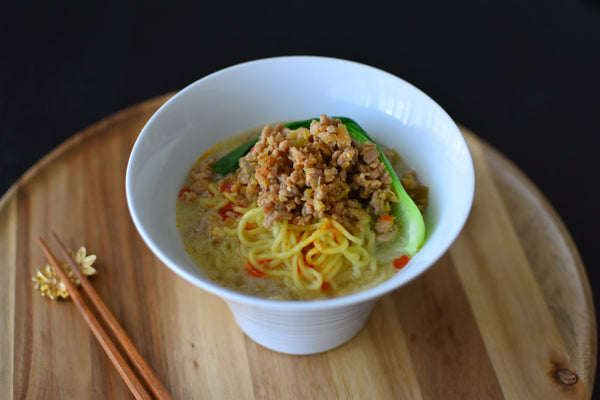
Japan is famous for ramen, but there’s another must-try noodle dish you shouldn’t miss: tantanmen, also known as tantan ramen.
Tantanmen is closely related to ramen but has its roots in Sichuan, China. The original dish, dan dan noodles, is usually served dry or with very little broth. When the dish was introduced to Japan, it was adapted to suit local tastes and ramen culture. The Japanese-style version features a rich sesame-based broth, a savory ground meat topping, and gentle heat from chili oil and Sichuan pepper. The result is a creamy, spicy, and deeply comforting noodle soup.
This Japanese interpretation of tantanmen was created by Chen Kenmin, a Sichuan-born chef who played a key role in introducing Sichuan cuisine to Japan. By softening the sharp spice and adding broth, he transformed dan dan noodles into a ramen-style soup that appealed to Japanese diners. His influence helped tantanmen become a standard menu item at ramen shops across the country.
Today, tantanmen is enjoyed throughout Japan, with many regional variations. Some versions focus on bold spice, while others are milder and creamier. Well-known styles include New Tantanmen from Kawasaki, Katsuura Tantanmen from Chiba, and Shirunashi Tantanmen from Hiroshima, which is a brothless style closer to the original Sichuan dish. These variations show how flexible and creative tantanmen can be.
Making tantanmen at home is easier than it looks. The dish comes together in three main parts: the broth, the seasoned ground meat, and the noodles. Because tantanmen is best served hot, timing is important. You can cook the meat sauce ahead of time and reheat it while preparing the broth and noodles. This makes the process smoother, especially if you are short on time.
There is no single “authentic” way to make tantanmen. Many home cooks adjust the recipe to suit their preferences. Some replace water with soy milk or regular milk to create a richer, creamier broth. Others add toppings like bok choy, mushrooms, soft-boiled eggs, or extra chili oil for more heat. In summer, cold tantanmen is also popular as a refreshing alternative.
Want a lighter version? Try using glass noodles instead of ramen noodles. This creates a quick and satisfying dish that works well as a snack or late-night meal. Tantanmen is all about balance and customization, so feel free to experiment until you find your perfect bowl.
For a deeper understanding of ramen culture, read The Ultimate Guide to Ramen, which covers history, broth styles, and key ingredients. You can also expand your knowledge with 19 different types of ramen you need to know, highlighting regional and modern variations across Japan.
If you want to explore more Japanese noodle recipes, there is plenty to discover beyond tantanmen. Try this Ponyo-inspired ramen for a fun, nostalgic bowl, or enjoy a lighter twist with Japanese tomato ramen.
Instructions
1) Gather the Ingredients
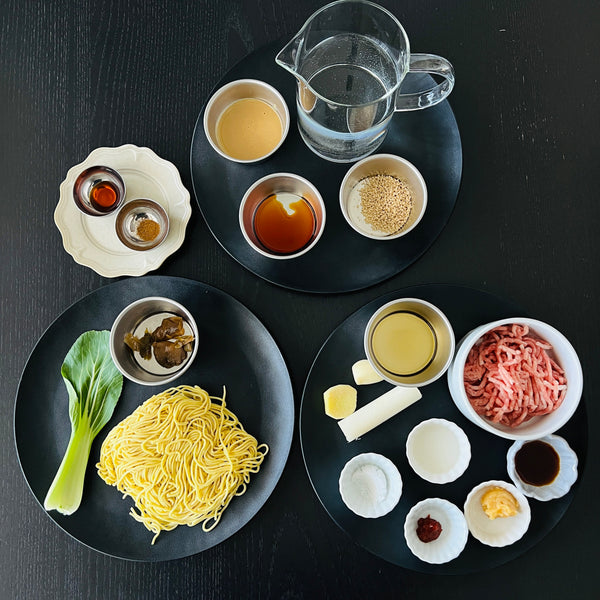
2) Cut the Ingredients
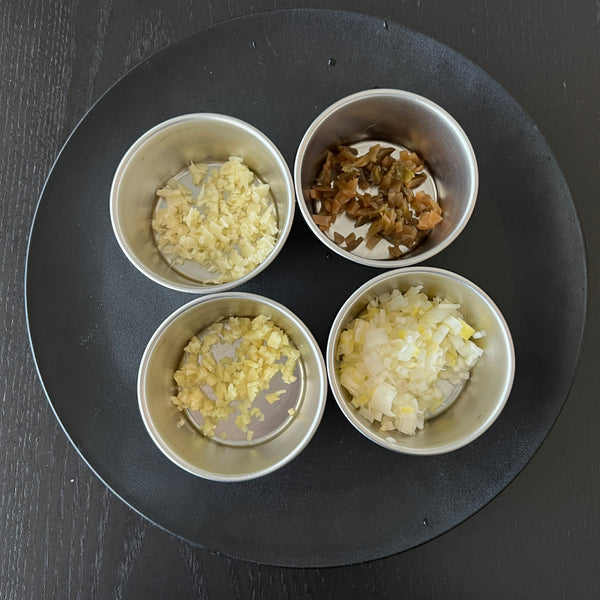
Expert's Tip
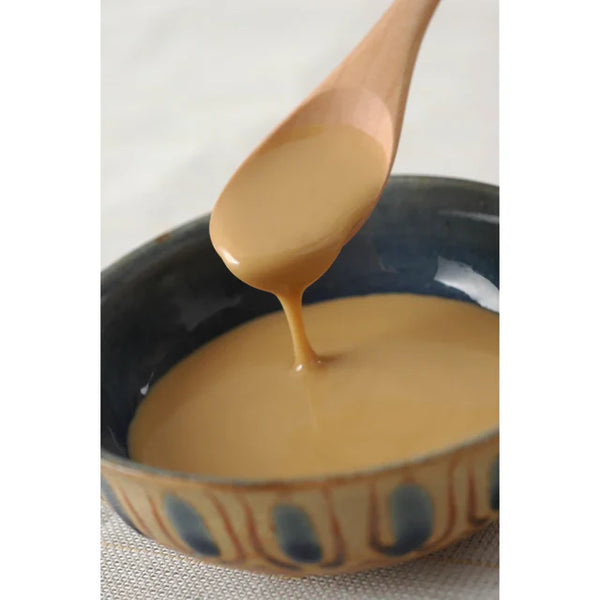
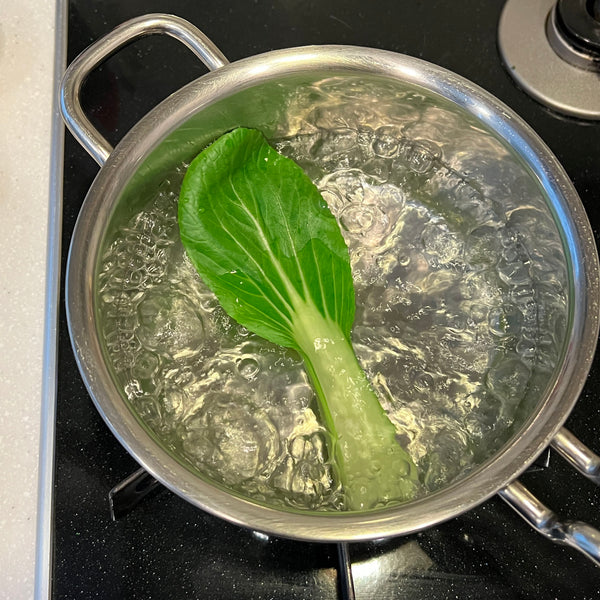
3) Boil the Bok Choy
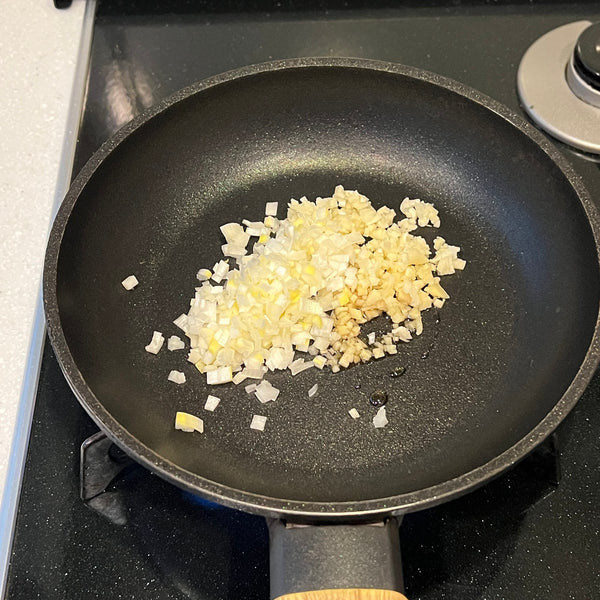
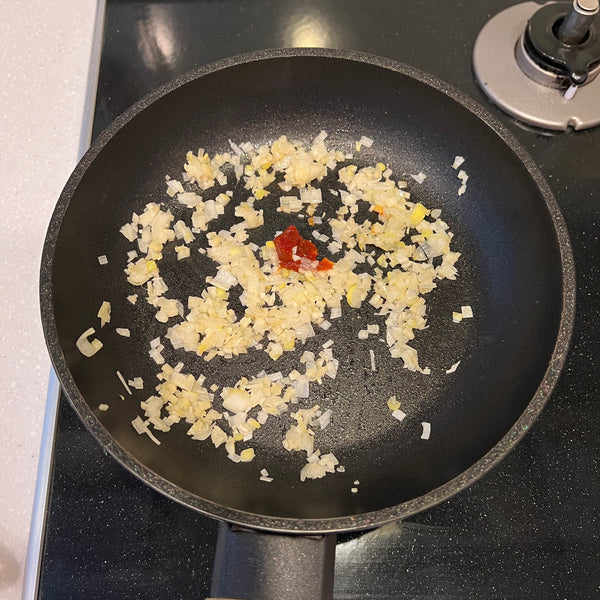
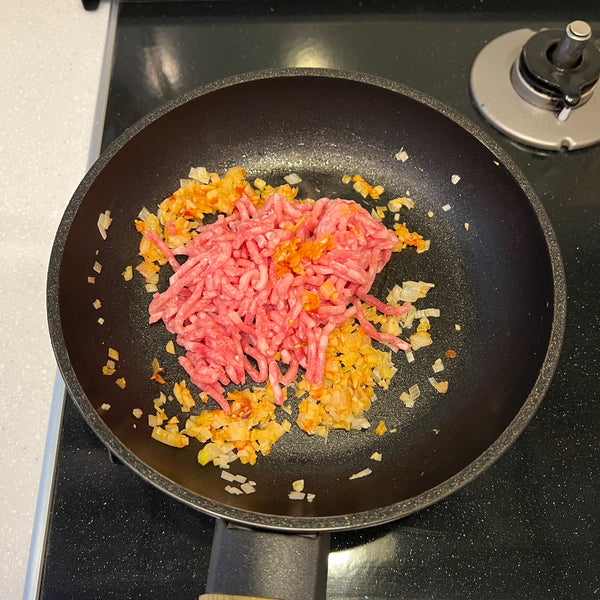
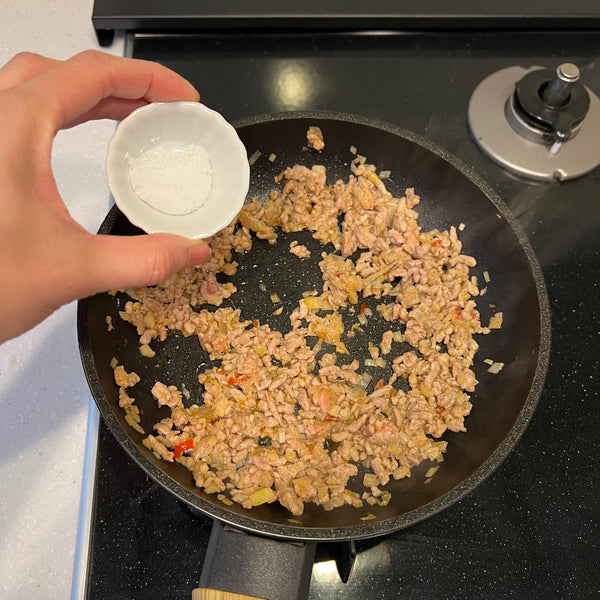
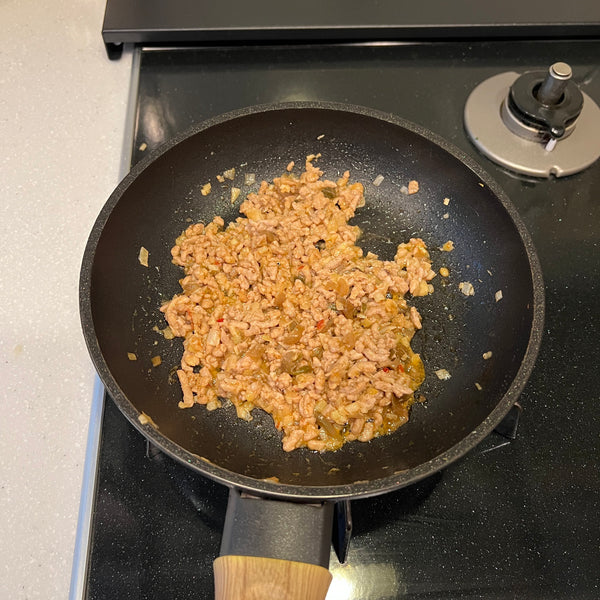
4) Prepare the Meat Sauce
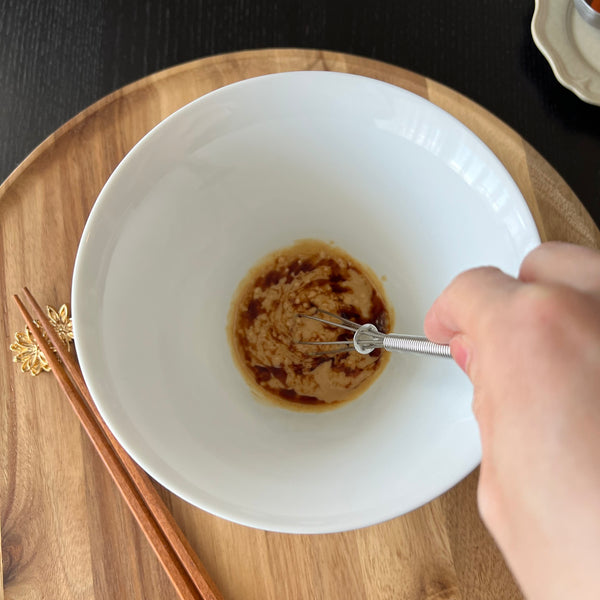
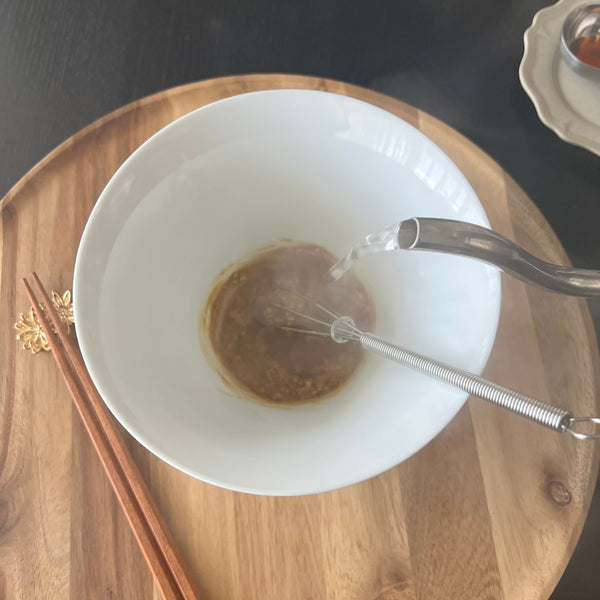
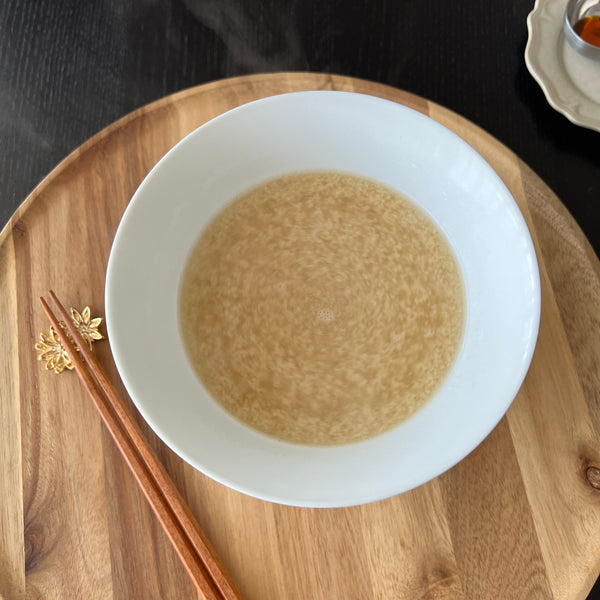
5) Prepare the Broth
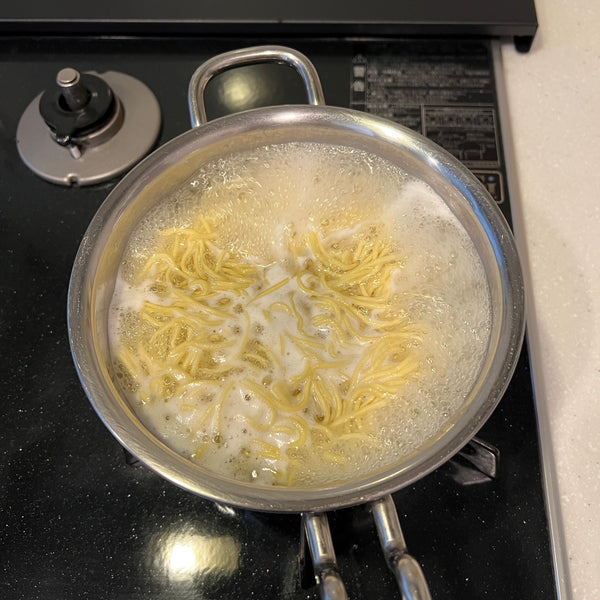
6) Boil the Noodles
7) Serve and Enjoy!